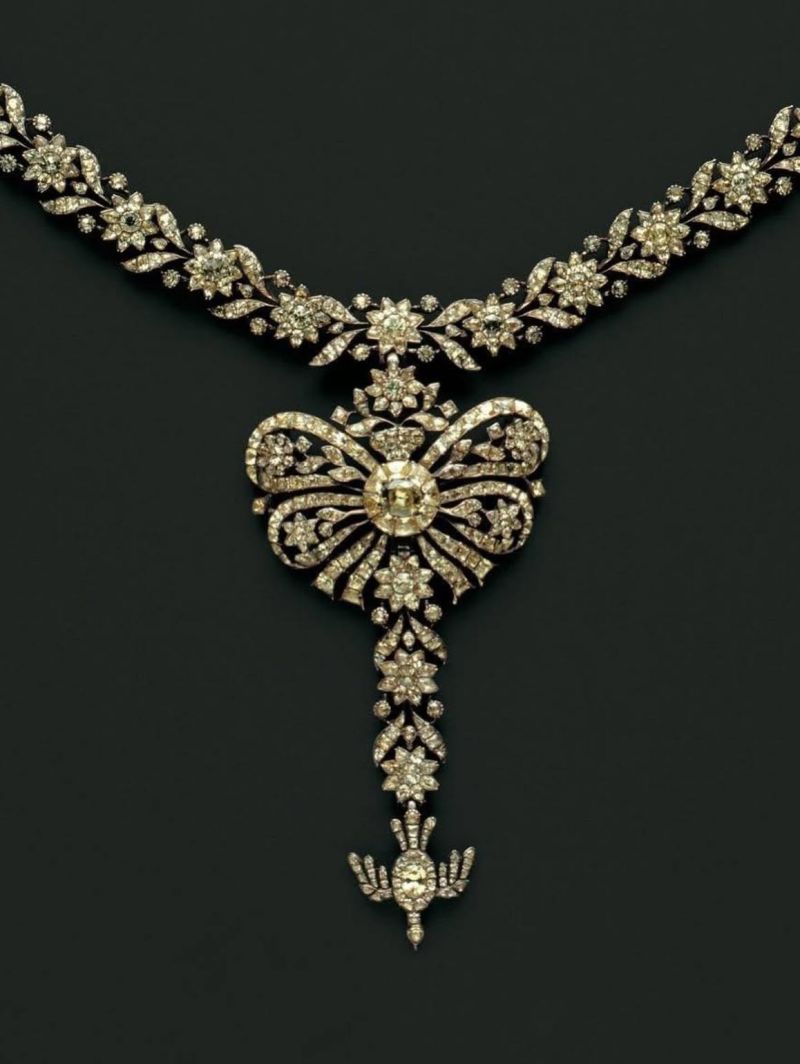

With the MNAA – Museu Nacional de Arte Antiga (National Museum of Antique Art) in Lisbon, Portugal, still closed for renovation for a few more months, let’s share a few pieces of jewellery of the collection, dated from the late 18th century to the early 19th century, in this case those set with one of the most popular Brazilian coloured gemstones of that period: chrysoberyl.
Chrysoberyl, a mineral with a high hardness between topaz and corundum (ruby and sapphire) became very popular in Portuguese and Brazilian jewellery following the discovery of significant quantities of fine gem-quality material in Minas Gerais, Brazil, in the last decades of the 1700s.

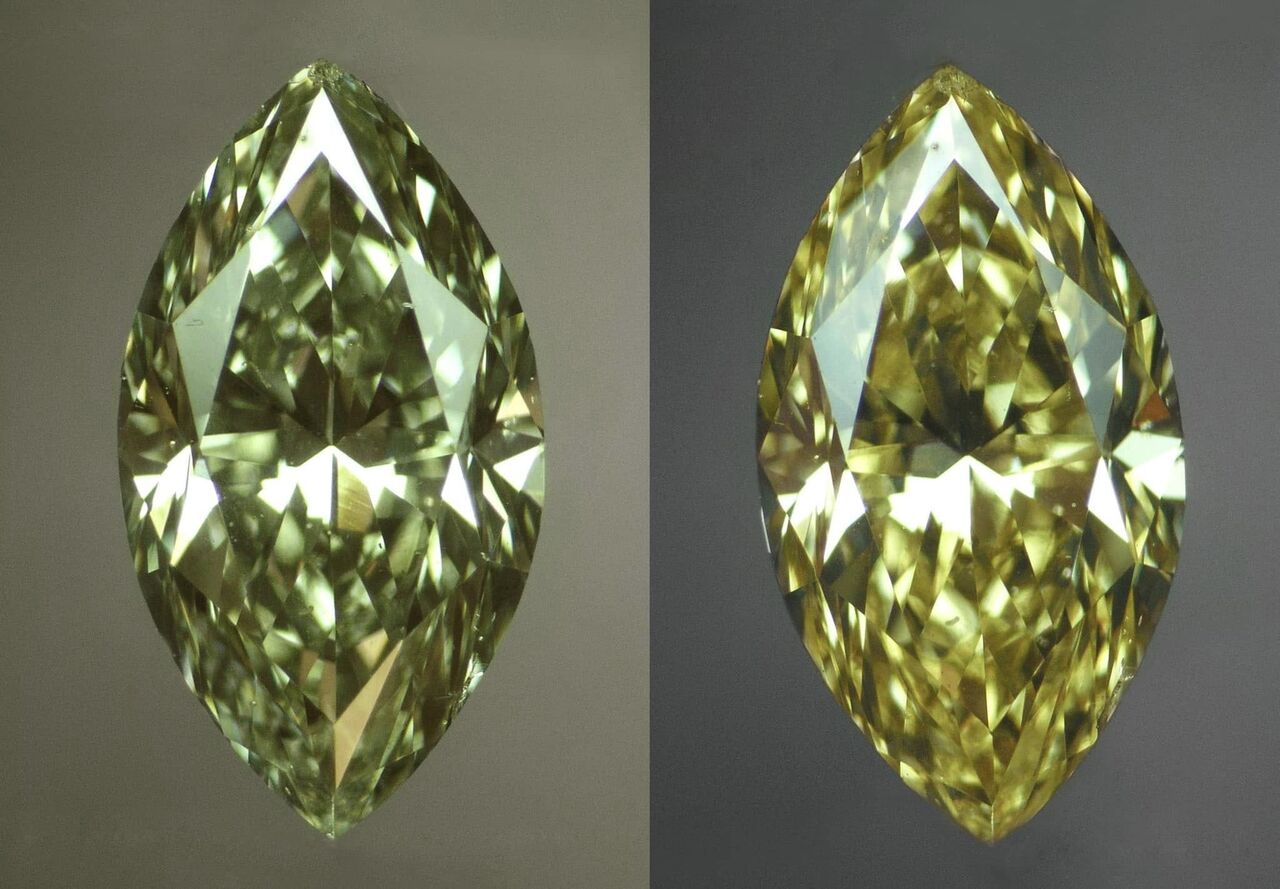
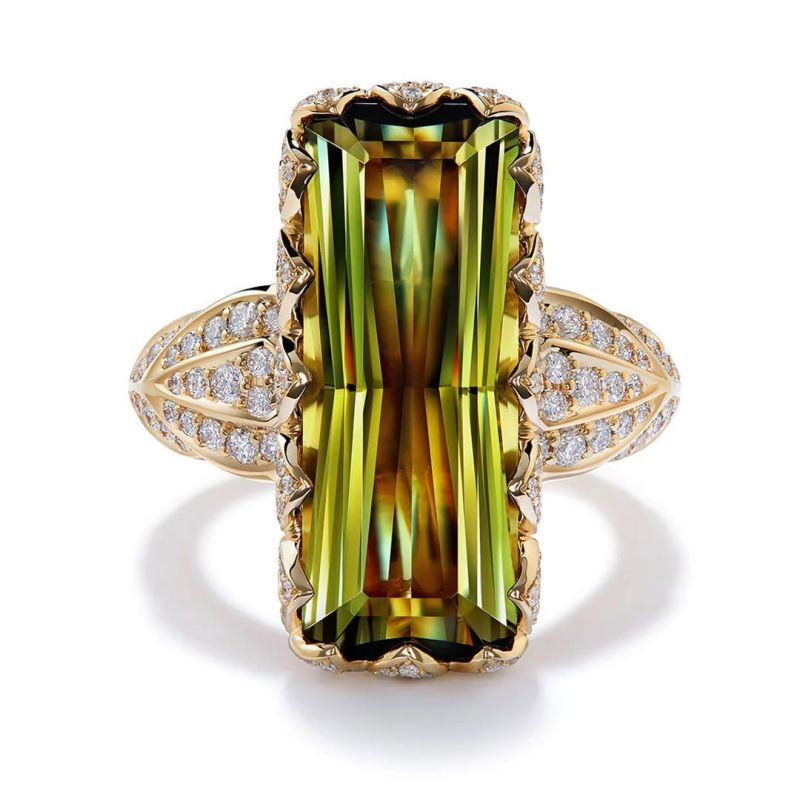
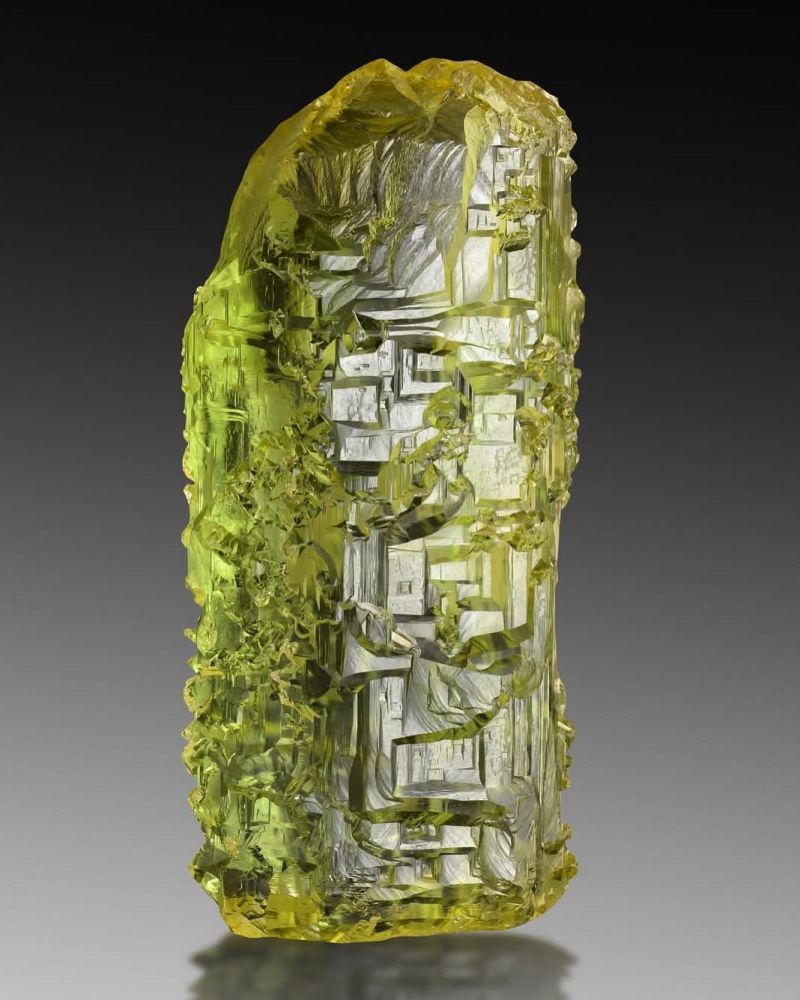
Although this mineral is better known for other gem varieties, like alexandrite (the colour-changing variety), the mint-green vanadium-bearing variety and, of course, for its cat’s eye varieties, it was the yellow-green to green-yellow transparent varieties that generated the first impact in jewellery.
In the local trade this gem variety was known in Portuguese as “crisólita” or “crisólito”, a term that is considered a misnomer today also in its English spelling, “chrysolite”, a term that creates interpretation confusion since it meant another gemstone, peridot, hence the historical expression “oriental chrysolite” to differentiate it.

Yellow-green to green-yellow chrysoberyl was typically set with reflective foil back and painted culet in closed settings made of silver in such a way that metal is barely seen when the jewel is viewed from the front.
These examples, from the collection of MNAA, are very good examples of the use of chrysoberyl in jewellery from the late 18th century to the early 19th century.
Photos MNAA © Պորտուգալիայի թանգարաններ և հուշարձաններ
Հյուր հոդվածներ Ռուի Գալոպիմ դե Կարվալյուի կողմից.
https://gem-spectrum.com/category/rui-galopim-de-carvalho

Հեղինակի մասին.
Ռուի Գալոպիմ դե Կարվալյո Ռուին հայտնի անկախ թանկարժեք քարերի կրթության խորհրդատու է, հեղինակ, շքեղության արդյունաբերության վերապատրաստման փորձագետ և գեմոլոգիայի և թանկարժեք քարերի նյութերի պատմության վերաբերյալ հայտնի միջազգային դասախոս: Գեմմոլոգի իր 30-ամյա փորձի ընթացքում Ռուին ուսումնասիրել է կարևոր հավաքածուներ ինչպես պետական, այնպես էլ մասնավոր թանգարաններում, մասնավորապես՝ Պորտուգալիայի թագի զարդերը:
COVID-19-ի կարանտինի ժամանակ մեկնարկած Home Gemmology վեբինարների շարքի հիմնադիր Ռուին գեմոլոգիայի ոլորտի հաղորդակցման երկար պատմություն ունի, մասնավորապես սոցիալական ցանցերում, որտեղ նա հայտնի դեմք է։
Ռուի Գալոպիմ դե Կարվալյո կարելի է հասնել նրա կայքի միջոցով.