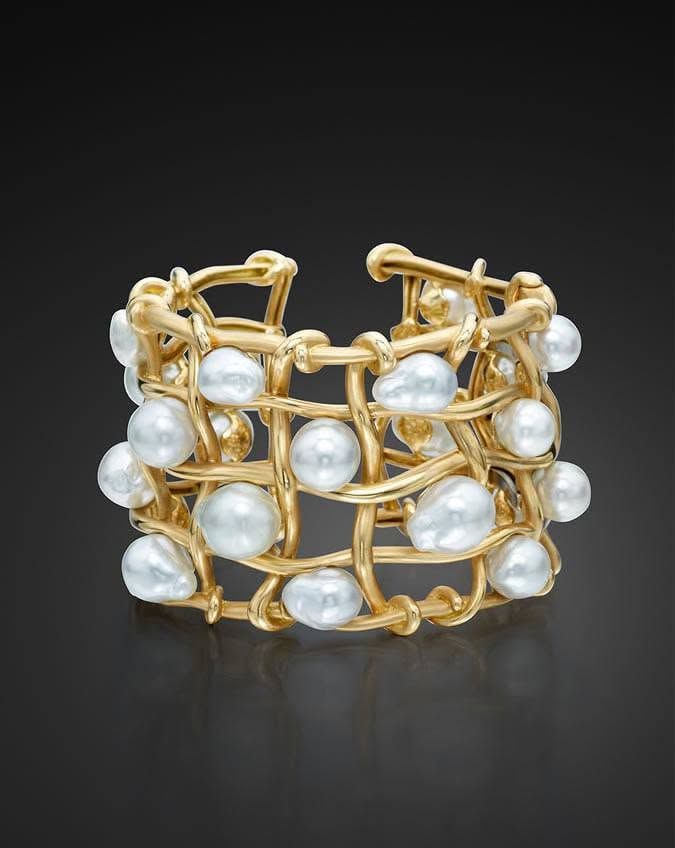

Trade terms can have fascinating origins, and in the pearl world there are plenty of examples, namely in Japanese. Keshi (ケシ), meaning poppy seed in Japanese, is one of them and was originally used in Japan for very small-sized natural pearls, namely the very rare Akoya natural pearls that were locally collected until the early 20th century from the Pinctada fucata pearl oyster, locally known as Akoya-gai.

Today, however, the original meaning of the word “keshi” has become corrupted and it is now a trade name for the nacreous non-bead saltwater cultured pearls that form, by accident or intentionally, inside pearl-producing molluscs as a by-product of the classic seeding or grafting process.
The first reported cultured keshi pearls in the early 20th century were associated to the then emerging Akoya cultured pearl farming in Japan. Today, however, “keshis” are also reported in different saltwater nacreous pearl-producing molluscs (e.g., South Sea pearl oyster, Tahitian pearl oyster, Fijian pearl oyster) and in different geographies.

Distinguishing non-bead cultured from natural pearls is very complex, requiring lab experience and modern tools, like real-time X-ray microradiography (RTX) and X-ray computerised tomography (µ-CT), with the results requiring interpretation from an experienced pearl scientist, and being possibly and occasionally inconclusive.
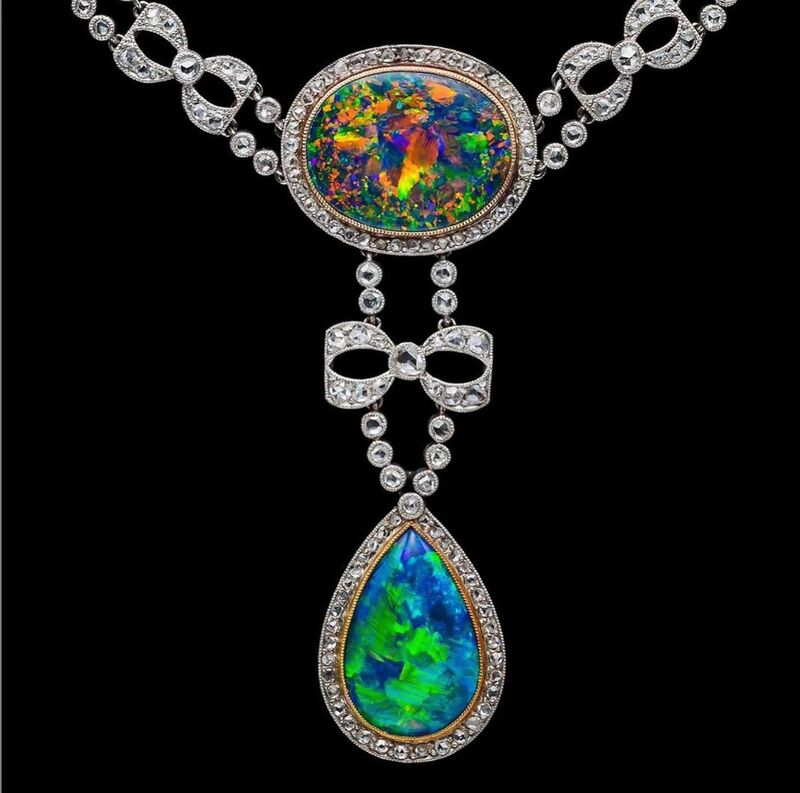
In the photos, non-bead cultured pearls (keshi) in high-jewellery © Assael
Artykuły gościnne Rui Galopima de Carvalho:
https://gem-spectrum.com/category/rui-galopim-de-carvalho

O autorze:
Rui Galopim de Carvalho Rui jest uznanym niezależnym konsultantem ds. edukacji w zakresie kamieni szlachetnych, autorem, ekspertem w dziedzinie szkoleń w branży luksusowej oraz popularnym międzynarodowym wykładowcą na temat gemmologii i historii materiałów jubilerskich. W ciągu 30 lat pracy jako gemmolog, Rui badał ważne kolekcje w muzeach publicznych i prywatnych, w szczególności portugalskie klejnoty koronne.
Rui, założyciel popularnej serii webinariów Home Gemmology, która rozpoczęła się podczas lockdownu związanego z COVID-19, ma długą historię jako komunikator gemmologiczny, szczególnie w mediach społecznościowych, gdzie jest popularną postacią.
Rui Galopim de Carvalho można się z nim skontaktować za pośrednictwem jego strony internetowej: