

The World Federation of Diamond Bourses (WFDB) is an association of the world’s major diamond bourses and promotes the interests of the member bourses and their members. As the official organization of the international diamond trading sector, the WFDB creates a common set of trading practices in rough and polished diamonds.
As the industry’s most important representative body, the WFDB advances the principles of trust, transparency and integrity among the members of the bourses and throughout the industry.
Founded in 1947, the WFDB currently has 29 affiliated bourse members located in major diamond centers throughout the world. The WFDB encourages the establishment of new diamond bourses, and aids and supports bourses in their early stages. The organization also invites members of related diamond sectors – such as finance, retail, shipping and more – to join as associate members.
Member bourses maintain their autonomy in internal matters, while complying with the policies and decisions of the organization’s governing bodies. This includes the amicable settlement or arbitration of disputes between individual members of affiliated bourses and/or between affiliated bourses.

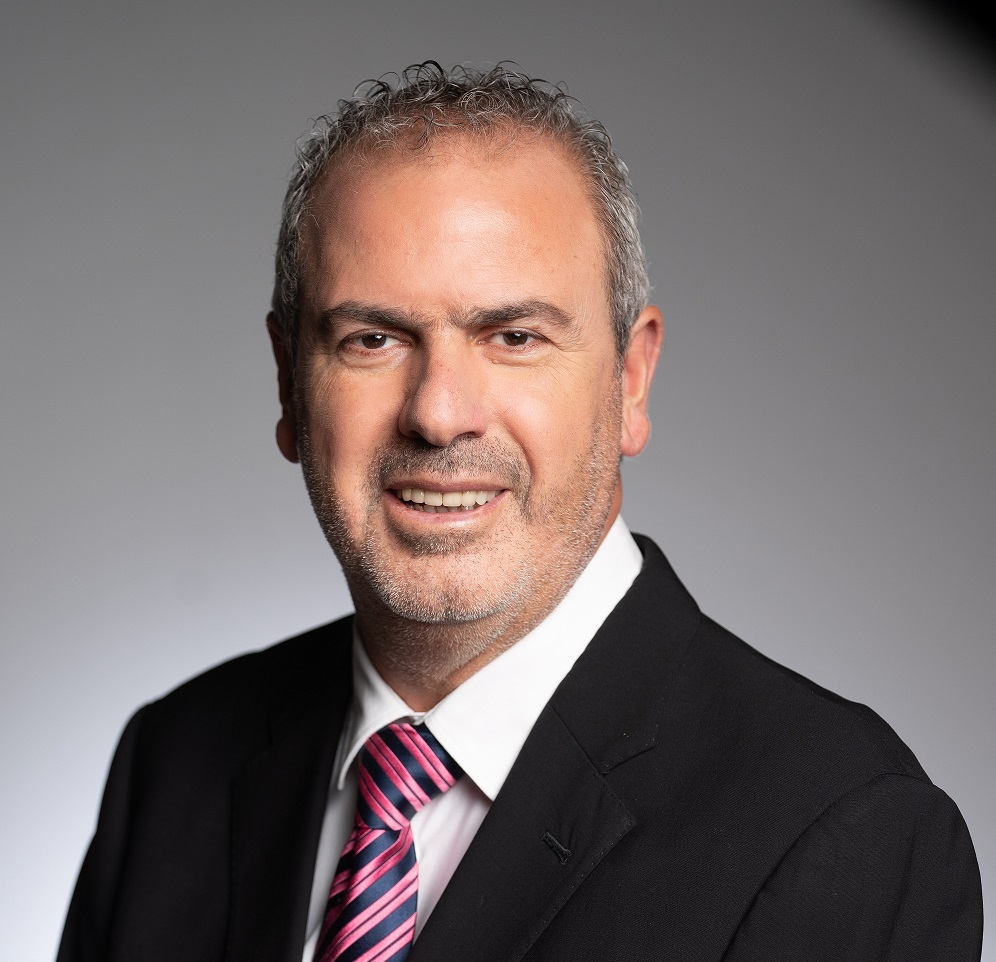
In this exclusive interview, Mr. Yoram Dvash, WFDB President, discussed the topic of repositioning natural diamonds and the market outlook.

In 2024, Repositioning natural diamonds as rare and emotionally significant is a key focus for the WFDB. Can you elaborate on the strategies being deployed to achieve this, and how do campaigns like “Moments” fit into this vision? The industry has started focusing on storytelling to highlight the emotional value of natural diamonds. Do you believe this approach is enough to differentiate natural diamonds from the lab-grown ones, or are further steps needed? How can the industry effectively communicate these unique qualities of natural diamonds to younger consumers?


Repositioning natural diamonds as rare and emotionally significant is a key focus for the entire natural diamond industry, not only for the WFDB. There is recognition throughout the industry that generic marketing of natural diamonds is a shared responsibility of the entire pipeline and must be pursued with huge budgets to make an impact on younger consumers. We are seeing several large industry players join forces with the Natural Diamond Council and with De Beers and this is very important. A few months ago a proposal to raise funds for generic marketing by levying a percentage on rough imports globally was initiated, and we are waiting to see how that plays out. Certainly there is awareness throughout the industry that we all need to work together to increase demand for natural diamonds, especially among younger consumers.
The WFDB is doing what we can with the limited resources we have. We have initiated the “Moments” storytelling campaign on social media which will run for four months. We are also beginning a video campaign to promote natural diamonds, which will be distributed on social media and through our own bourse network.
I believe that the combined efforts of the natural diamond industry will help to increase demand for natural diamonds, but we know that these things take time. We need to be consistent in our efforts and not to expect to accomplish everything right away.
The WFDB’s “Moments” campaign has received attention for its emotional messaging. What has the initial response been like, and how do you plan to expand on this concept in future campaigns? Partner organizations such as De Beers and GJEPC have launched notable marketing efforts. How does the WFDB plan to collaborate with other stakeholders to create a unified approach to promoting natural diamonds globally?
The video campaign we are embarking on will be aimed at the US and European markets, the Indian market and ultimately at the Chinese market. To reach the Chinese market we believe we need to work with local experts and that is why we will be partnering with the Shanghai Diamond Bourse for that part of the campaign.

How do you think the reduction in rough supply by major producers like De Beers has impacted the market, and do you believe these measures will help stabilize the industry?
The reduction in rough supply has already brought about stabilization in the market. We are beginning to see a rise in demand for natural diamonds in the US. We are also beginning to see early signs of recovery in the mainland China and Hong Kong markets, and in Southeast Asian countries as well.
Looking ahead to 2025, recovering demand is expected in the U.S. and possibly China. What are your expectations for these markets, and which regions do you see as having the most potential for growth?
I am optimistic that we will see a recovery of demand in the US and in China in 2025. We don’t expect it will reach the heights of the post-Covid demand that was huge and not in keeping with global trends till then. I can’t give you measurable outcomes but we are hopeful that 2025 will be a great deal better than 2024.
Lab-grown diamonds are increasingly being seen as an alternative to natural diamonds. Are there specific market segments where you see natural diamonds maintaining a stronghold, despite the competition from lab-grown diamonds? What role does education play in helping consumers understand the differences between lab-grown and natural diamonds? How is the WFDB addressing this need?
We are addressing this subject by stressing the rarity and the emotional and actual value of natural diamonds. Prices of lab-grown diamonds are going down all the time and they have almost no resale value. As consumers learn more about the LGDs they will see that they are not really a substitute for a natural diamond, and we are already seeing reports in the media to this effect.
Partnerships with groups like the Shanghai Diamond Exchange have been highlighted as part of the WFDB’s plans to boost demand in China. Can you share more details about this collaboration and its expected outcomes?
As I mentioned we are collaborating closely with the Shanghai Diamond Exchange on marketing natural diamonds in China. We believe that no one knows what works in China better than local experts, and that’s why our Chinese bourse must lead the way on this. We will be holding a Presidents’ Meeting in June 2025 in New York, which follows on the meeting we held in March 2024 in Shanghai. Among other important invited guests, SDE President Lin Qiang will take an active part in the New York meeting and will address the meeting. These opportunities to network and discuss issues in common are priceless for the WFDB and we look forward to the next WFDB Presidents’ Meeting.

Special Note:
This exclusive interview by Julius Zheng was commissioned and published by China Diamond Year Book (2024), which was printed in April 2025. Special thanks to Shanghai Diamond Exchange, the publisher of China Diamond Year Book, for the approval of publishing this interview on Gem Spectrum. Shanghai Diamond Exchange is a WFDB member bourse and the only portal in China to enjoy the favorable tax policy of importing polished diamonds.
The PDF of Diamond Year Book from 2020 to 2024 can be downloaded here:
https://www.cnsde.com/#/yearBook

This article will be published and printed on the upcoming Gem Spectrum print magazine Issue #4 Summer 2025.