
Established in 2002 with the mission of establishing Dubai as a commodity trading and enterprise gateway to the Middle East and beyond, Dubai Multi Commodities Centre (DMCC) has since become one of its most important economic drivers, today accounting for 11% of all foreign direct investment in the emirate.
DMCC is also one of the city’s most dynamic and exciting destinations, home to world-class mixed-use developments Jumeirah Lakes Towers and Uptown Dubai. This is a 2-km2 business and residential community of 87 towers and over 100,000 people from more than 180 countries.
DMCC is a free trade zone with 24,000 registered companies and over 80,000 employees. Voted the number one free zone on the planet for nine consecutive years, it is where the world does business.
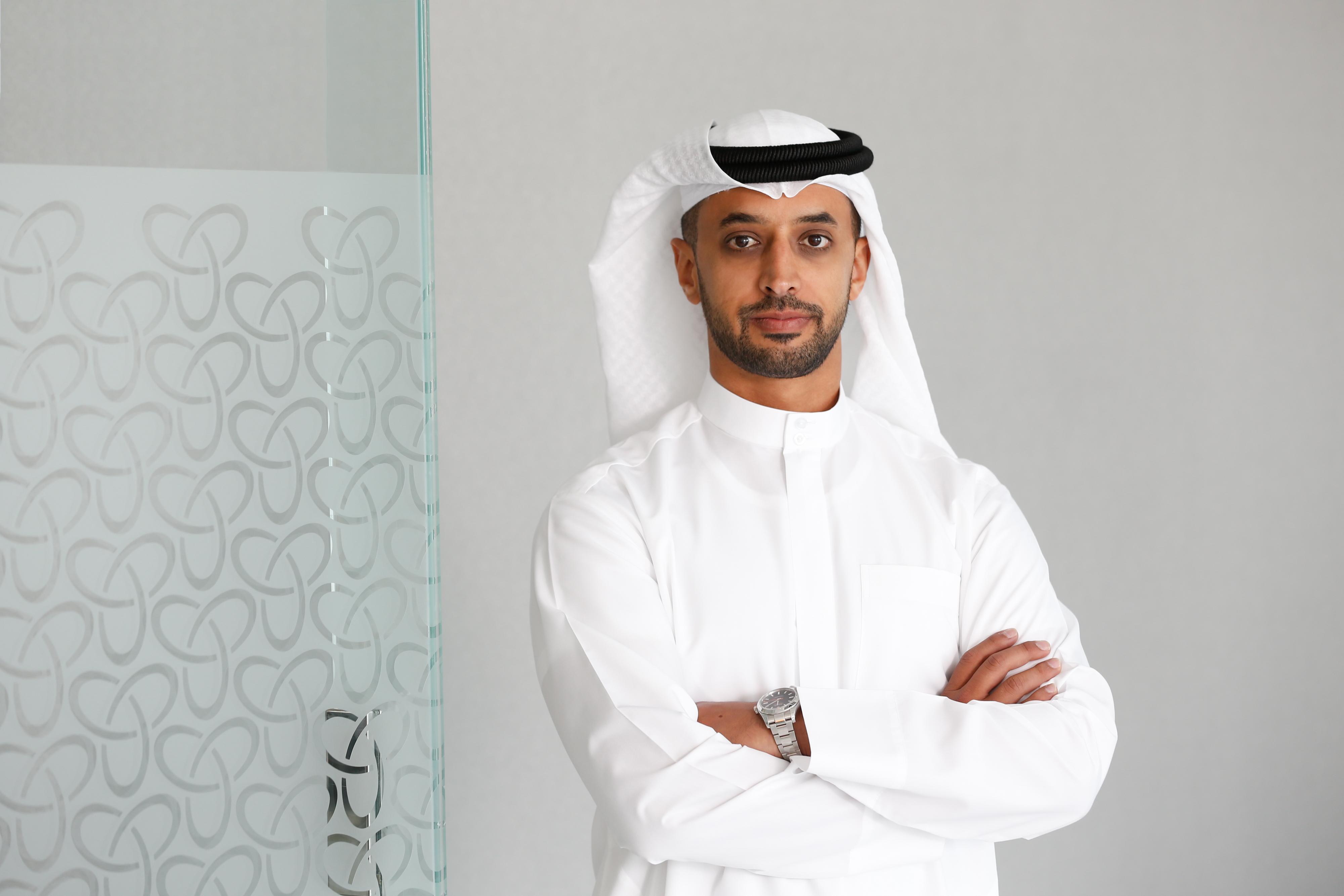
Ahmed Bin Sulayem is the Executive Chairman and CEO of DMCC, and serves as the Chairman of the Dubai Diamond Exchange (DDE) as well as the Dubai Gold & Commodities Exchange (DGCX). In this exclusive interview, he reveales how Dubai has become a leading global diamond and gemstone trade center through the efforts of DMCC, which has built a world-class ecosystem with advanced infrastructure, favorable regulations, and unmatched global connectivity. Since joining the Kimberley Process in 2003 and establishing the Dubai Diamond Exchange (DDE), DMCC has positioned the UAE as one of the largest rough diamond hub and one of the fastest-growing centers for polished stones.
DMCC’s initiatives include cutting-edge tender facilities, blockchain-driven traceability systems, and educational programs through the Dubai Design Academy. The use of new technologies, such as blockchain for certifications and AI for diamond grading, ensures transparency and efficiency. Emerging markets like China also present significant opportunities, supported by tailored roadshows and partnerships.
Looking forward, DMCC visions Dubai at the forefront of all precious gemstone segments, promoting sustainable practices while connecting markets and setting global benchmarks in trade and innovation.

Dubai has emerged as a significant hub in the global diamond and gemstone trade. What was DMCC’s role in achieving this position? What is your vision for the future of Dubai’s diamond and gemstone business under DMCC’s leadership?
Dubai’s rise as one of the world’s leading diamond trade hubs is the result of deliberate, long-term investment by DMCC in building a world-class ecosystem – combining infrastructure, favourable regulation, and global connectivity.
Since joining the Kimberley Process in 2003 and launching the Dubai Diamond Exchange (DDE), DMCC has positioned the UAE as the largest global hub for rough diamond trade and one of the fastest-growing centres for polished stones. Today, the DDE stands as the largest tender facility in the world, hosting over 85 tenders in 2024 alone. Home to over 1,350 companies, DMCC’s precious stones ecosystem offers an end-to-end trading platform with bespoke facilities and state-of-the-art infrastructure. In 2023, the UAE traded USD 38.3 billion in rough and polished diamonds with polished stones now accounting for 44% of the total trade value. In the first half of 2024, we achieved an almost 12% rise in combined rough and polished diamond trade by volume year-on-year.
We are not stopping here. Our vision is clear: to expand Dubai’s influence across all precious stone segments – rough, polished, coloured gemstones, and lab-grown diamonds – while setting the global benchmark for responsible, transparent and technologically-enabled trade.
How does Dubai differentiate itself as a trading hub compared to other global centres like Antwerp, New York, Mumbai?
Dubai’s edge lies in the convergence of its geography, policy, and business environment. We are strategically positioned between producing nations in Africa, manufacturing centres in India, and consumer markets across Asia, Europe, and North America – operating as a seamless conduit between East and West.
We offer unmatched proximity and access, but the real differentiator is ease of doing business. The environment is designed to minimise bureaucracy – from zero income tax and the VAT reverse charge mechanism for diamonds and precious stones, to our secure tendering facilities and digital customs systems, we are purpose-built for businesses looking for high levels of efficiency, security and growth.
How has the global diamond and gemstone market evolved in recent years, and how is Dubai adapting to these changes? What trends are you currently observing in the consumer demand for diamonds and coloured gemstones? What role does Dubai play in bridging markets between East and West for precious stones?
The industry is undergoing structural change. Lab-grown diamonds, once seen as niche, are now mainstream, fuelled by growing consumer demand for sustainably-sourced stones and competitive pricing. In the first half of 2024 alone, lab-grown diamonds recorded 15.9 million carats by volume of rough and polished combined, a rise of 51% year-on-year including a remarkable 62% rise in rough.
Meanwhile, coloured gemstones – rubies, sapphires, and emeralds – are experiencing a resurgence, driven by Asian demand. DMCC has hosted major coloured gemstone tenders from Colombia, Brazil and Zambia, and in 2023, welcomed the International Coloured Gemstone Association Congress to Dubai.
The DDE is designed for this evolution. Its white crystal windows ensure ideal light conditions for assessing coloured stones, and all lab-grown goods are clearly segregated and labelled. As a result, we are not only adapting to the market but helping to define where it is going.
What initiatives has DMCC undertaken to strengthen its position as a leading diamond and gemstone trading hub? How does DMCC see the role of technology driving the future of the diamond and gemstone sectors?
DMCC has implemented a range of initiatives to reinforce Dubai’s position as a leading diamond and gemstone hub. We have enhanced our tendering facilities, expanded partnerships, and introduced new events such as the Lab-Grown Diamond Symposium – the second edition of which will be held in September 2025. The DDE’s Tender Best Practice Forum, the first of its kind globally, is codifying standards for diamond auctions. We have also expanded access to education through the Dubai Design Academy, nurturing local talent in jewellery design and CAD technology to strengthen the entire value chain.

We continue to position Dubai as the place for the most important industry conversations. We have just held the sixth edition of DMCC’s flagship Dubai Diamond Conference in November 2024, as part of the inaugural Dubai Diamond Week alongside the Kimberley Process Plenary and the second edition of the Jewellery, Gem & Technology in Dubai trade show – one of the largest B2B sourcing events in the region. Through these events we brought thousands of industry and government stakeholders from across the diamonds, precious stones and jewellery value chain to Dubai in order to share information and drive bold conversations forward.


What plans or projects does DMCC have to ensure it remains at the forefront of the industry in the coming 5 to 10 years?
Technology plays a transformative role in the diamond industry. The Provenance, Traceability and Technology (PTT) Forum we organised last year in partnership with Original Luxury gathered hundreds of industry leaders to DMCC’s Almas Tower to discuss the crucial role of technology in enhancing traceability and transparency for the diamond industry – from blockchain solutions for supply chain transparency to AI-powered grading and authentication processes.
As Custodian Chair of the Kimberley Process for 2025, we are building on the progress made under the UAE’s 2024 Year of Delivery programme to digitise certifications and bring all paper-based KP certificates onto the blockchain. The UAE is taking the lead in implementing Verifico – the digital certification proof of concept that we introduced as KP Chair last year – that will be key to enhance traceability, improve security, and streamline certification processes.
How is DMCC ensuring that Dubai remains a hub for ethically sourced diamonds and gemstones? What measures has DMCC implemented to promote transparency and sustainability within the diamond and gemstone trade? How do you think consumer awareness of ethical sourcing is impacting the industry, and how is Dubai addressing this?
Consumer awareness regarding ethical sourcing is shaping the industry, with buyers prioritising responsibly mined diamonds and gemstones. DMCC is addressing this shift through our own internal measures, including our compliance framework, the Tender Best Practice Forum, and the active promotion of blockchain traceability.
Meanwhile, our work within the Kimberley Process continues to play a pivotal role in the global production of responsibly sourced, conflict-free diamonds. The UAE was the first Arab nation to join the KP and the first to chair it twice. Under my 2024 Chairmanship, we launched the KP’s “Year of Delivery”, establishing the KP’s permanent secretariat in Botswana and making major progress in digitising its certification process. In 2025, as Custodian Chair, we launched the “Year of Best Practice” focused on institutionalising reform and strengthening compliance. Our aim is to ensure the KP remains the global standard for collaboration and integrity in the diamond global trade.

What are the biggest challenges currently facing Dubai’s diamond and gemstone business? How is DMCC working to overcome competition from other global trading hubs?
Like many industries globally, the diamond industry faces macroeconomic uncertainty, tightening regulations, and accelerating tech disruption. It also has specific challenges, from economic slowdown in key markets, upstream fragmentation of the supply chain complicating the journey from extraction to market, and the competition from lab-grown diamonds necessitating innovation and adaptation. This is why the theme for last year’s Dubai Diamond Conference was titled “Thriving Under Pressure: Navigating the New Global Paradigms,” which aptly captured the essence of the challenges.
As I always say, within these challenges lie opportunities. Dubai Diamond Week provided a vital platform for industry leaders to discuss key issues and chart the next phase of growth, whilst JGT Dubai featured record footfall, a reflection of Dubai’s standing and influence in the global jewellery sector. This links more broadly to Dubai’s competitive position with its regulatory predictability, digital adaptability, world-class infrastructure and trade networks making it an ideal home for companies navigating market volatility.
What opportunities do you foresee for Dubai in emerging markets such as China, and how is DMCC supporting this growth?
China represents a major growth opportunity for the UAE’s diamond trade. Rising consumption of both diamonds and coloured stones is reshaping the demand landscape and we are tapping directly into this momentum with our dedicated China Service Centre, strategic roadshows, and tailored onboarding services for Chinese firms. This is one of the reasons why DMCC is rapidly approaching 1,000 Chinese companies across our district, and why we continue to showcase Dubai’s value proposition through our annual roadshows in China, having recently concluded visits to Beijing and Shenzhen where we also announced new partnerships with the Beijing Innovation Service Hub and Beijing Chaoyang CCPIT to enhance bilateral trade and business connectivity.
If you had to summarize Dubai’s position in the global diamond and gemstone trade in one sentence, what would it be? What message would you like to share with the global diamond and gemstone community, especially in China, about Dubai’s role and future? How do you envision DMCC’s impact on the industry over the next 5-10 years?
Dubai is not only the world’s largest diamond trade hub – it is the standard-bearer for a modern, responsible, and globally connected industry. To our partners in China and across the world, DMCC remains committed to innovation, transparency, and market growth. We invite businesses to take advantage of Dubai’s unique position as a gateway between East and West, offering unparalleled opportunities for expansion and collaboration.

Special Note:
This exclusive interview by Julius Zheng was commissioned and published by China Diamond Year Book (2024), which was printed in April 2025. Special thanks to Shanghai Diamond Exchange, the publisher of China Diamond Year Book, for the approval of publishing this interview on Gem Spectrum. Shanghai Diamond Exchange is a WFDB member bourse and the only portal in China to enjoy the favorable tax policy of importing polished diamonds.
The PDF of Diamond Year Book from 2020 to 2024 can be downloaded here:
https://www.cnsde.com/#/yearBook

This article will be published and printed on the upcoming Gem Spectrum print magazine Issue #4 Summer 2025.