

The World Federation of Diamond Bourses (WFDB) is an association of the world’s major diamond bourses and promotes the interests of the member bourses and their members. As the official organization of the international diamond trading sector, the WFDB creates a common set of trading practices in rough and polished diamonds.
As the industry’s most important representative body, the WFDB advances the principles of trust, transparency and integrity among the members of the bourses and throughout the industry.

Founded in 1947, the WFDB currently has 27 affiliated bourse members located in major diamond centers throughout the world. The WFDB encourages the establishment of new diamond bourses, and aids and supports bourses in their early stages. The organization also invites members of related diamond sectors – such as finance, retail, shipping and more – to join as associate members.
Member bourses maintain their autonomy in internal matters, while complying with the policies and decisions of the organization’s governing bodies. This includes the amicable settlement or arbitration of disputes between individual members of affiliated bourses and/or between affiliated bourses.
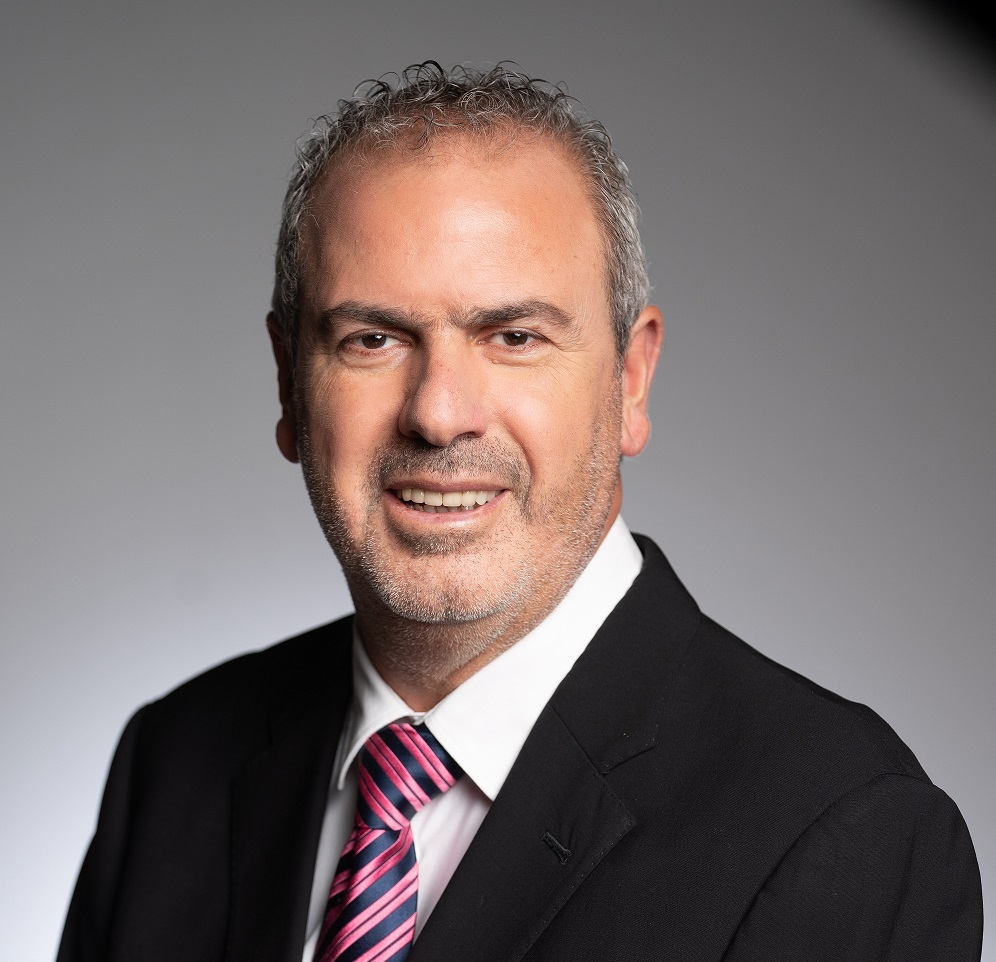
In this exclusive interview, Mr. Yoram Dvash, WFDB President, discussed the industry strategies to address geopolitical challenges, competition from lab-grown diamonds, and the five-year road ahead.

How do you see the ongoing geopolitical tensions, particularly involving the United States, Israel, and Iran, shaping the global diamond trade in the next 5 years?
The global diamond industry is operating in an increasingly complex geopolitical environment. Ongoing regional tensions are not distant events for us. They directly affect trade flows, market sentiment and consumer confidence.

In the near term, this creates uncertainty and can slow decision-making across the pipeline. However, if we take a broader view, our industry has always demonstrated resilience through periods of instability. What we are seeing today will likely accelerate structural shifts already underway, including greater diversification of trading hubs, stronger regionalisation of supply chains, and increased emphasis on compliance and traceability. Over the next five years, I expect the industry to emerge more disciplined, more interconnected and ultimately more robust.
This is precisely why maintaining unity across the global diamond community is so critical. Forums such as the World Diamond Congress to be held in Singapore from 12-15 July 2026 will play a key role in aligning stakeholders and ensuring we move forward with a shared vision.
What specific strategies have the Israel Diamond Exchange and the Dubai Diamond Exchange implemented to maintain trade continuity amidst regional geopolitical strain?
The Israel Diamond Exchange and the Dubai Diamond Exchange have continued to operate steadily under difficult conditions. Their members remain active, and transactions continue to move through both centres. That continuity is essential for the stability of the global pipeline.
This is the result of long-term investment rather than short-term reaction. Both exchanges have built strong operational frameworks, with robust compliance systems and international connectivity that allow them to adjust quickly when circumstances change.
What is most important is the message this sends: even in times of uncertainty, the diamond industry remains functional and reliable. That stability is reinforced through ongoing cooperation between bourses, which we will continue to strengthen in the months and years ahead.
How do you think the recent price reductions by major mining companies will influence the long-term stability and liquidity of the diamond market?
Recent price adjustments by producers have created short-term pressure, particularly for those holding higher-priced inventory. This has been challenging for many diamantaires, and it is important to acknowledge that reality.
At the same time, these corrections are part of a necessary rebalancing process. By better aligning rough prices with actual market demand, they help restore liquidity and enable movement across the pipeline. Encouragingly, we are already seeing early signs of stabilisation, with renewed demand in certain segments and improving sentiment in key markets.
Over the longer term, this kind of disciplined adjustment supports a healthier and more sustainable market. Stability in pricing, supported by responsible supply management, will be essential to rebuilding confidence and setting the foundation for future growth.
What innovative approaches is the WFDB considering to differentiate natural diamonds from lab-grown alternatives in the eyes of younger consumers?
The most important task before us is not simply to differentiate natural diamonds, but to clearly communicate what they truly represent. Natural diamonds are rare, formed over billions of years, and carry emotional, historical and symbolic value that cannot be replicated. This intrinsic value must be at the centre of our messaging.
We have already begun this work through targeted campaigns, focusing on the emotional significance of natural diamonds in people’s lives. Going forward, we will expand this approach – combining storytelling, education and digital engagement – to reach younger audiences in a more authentic and meaningful way.


This is not a short-term effort. It requires sustained, industry-wide commitment, and it will be a key focus of our discussions at the World Diamond Congress in Singapore.
Can you share more details about the WFDB’s expanded budget for promoting natural diamonds, particularly the key digital and social media strategies being planned?
The decision to allocate a dedicated budget to promotion reflects a broader shift in thinking. There is now a clear recognition across the industry that demand cannot be taken for granted. It must be actively supported.
Our focus will be on digital channels, where we can reach consumers more directly and with greater precision. This includes video content, social media campaigns and collaborations that extend beyond traditional industry platforms. At the same time, education remains a central element both for consumers and for those selling the product.
This is not being done in isolation. We are working alongside other industry bodies and stakeholders to ensure that efforts are aligned rather than fragmented. The intention is to build visibility and consistency in the long term.
How is the WFDB addressing the evolving preferences of younger consumers who may prioritize sustainability and ethical sourcing in their purchasing decisions?
Younger consumers are placing increasing importance on sustainability, ethics and transparency. These are the expectations that the natural diamond industry is expected, and positioned, to meet.
Natural diamonds already have a strong and positive story to tell, particularly in terms of their contribution to producing countries and local communities. The key is to communicate this clearly and consistently, supported by credible data and traceability.
As an industry, we must also ensure that our practices meet the highest standards. This includes strengthening compliance frameworks, improving transparency across the supply chain, and continuing to engage with international regulatory developments. By doing so, we reinforce trust – which is key to the foundation of long-term demand.
What new initiatives is the WFDB planning to strengthen collaboration among diamond bourses worldwide and ensure fair trade practices?
Over the past year, we have seen increased interest from new participants who want to engage more actively with the global diamond community. This is a positive development, and it reflects a broader understanding that cooperation is necessary in the current environment.
Our role is to provide a framework where that cooperation can take place effectively. This includes facilitating dialogue between bourses, aligning on standards and supporting the flow of trade across different regions.


What specific opportunities do you foresee for the diamond industry in the rebuilding and growth phase following the current period of uncertainty?
Periods of uncertainty often lead to a reassessment of value. In the luxury sector, this can result in renewed interest in products that carry meaning and permanence. Natural diamonds are well positioned in this regard.
At the same time, there are geographic shifts that present opportunities. Growth in Southeast Asia and other emerging markets is already visible, and these regions are likely to play a larger role in the coming years.
The key is to be prepared for these changes. That means maintaining discipline, managing supply carefully and ensuring that the industry presents a clear and consistent message to the consumer.
How is the WFDB working to uphold transparency and integrity across the natural diamond supply chain, especially in light of increasing scrutiny from consumers and regulators?
Maintaining integrity is fundamental to the way the diamond industry operates. The WFDB continues to work closely with its members to uphold strict standards of conduct and ensure that trading practices remain consistent across different centres.
There is also increasing focus on traceability and documentation. Regulatory requirements are becoming more detailed, and consumers are paying closer attention to origin and sourcing. This requires a more structured approach across the supply chain.
Responsibility in this area is shared. No single organisation can address it alone. By working together, we can ensure that natural diamonds remain associated with trust and credibility.
In your view, what role will natural diamonds play in the global luxury market over the next decade, and how can the industry adapt to remain relevant?
Natural diamonds will continue to hold a distinct position within the luxury market. But that position must be maintained through continued effort and clear communication.
Their value lies in their rarity, but also more broadly what they symbolise and represent: important moments and long-term significance in a way that few other products are.
The industry must continue to adapt in how it engages with consumers. This includes using new channels and speaking in a more direct and authentic way. If we do that effectively, natural diamonds will continue to be recognised and endure as a unique asset within the luxury space.

Special Note:
This exclusive interview by Julius Zheng was commissioned and published by China Diamond Year Book (2025), which will be printed in April 2026. Special thanks to Shanghai Diamond Exchange, the publisher of China Diamond Year Book, for the approval of publishing this interview on Gem Spectrum.
The PDF of Diamond Year Book from 2020 to 2024 can be downloaded here:
https://www.cnsde.com/#/yearBook

This article will be published and printed on the upcoming Gem Spectrum print magazine printed in June 2026.