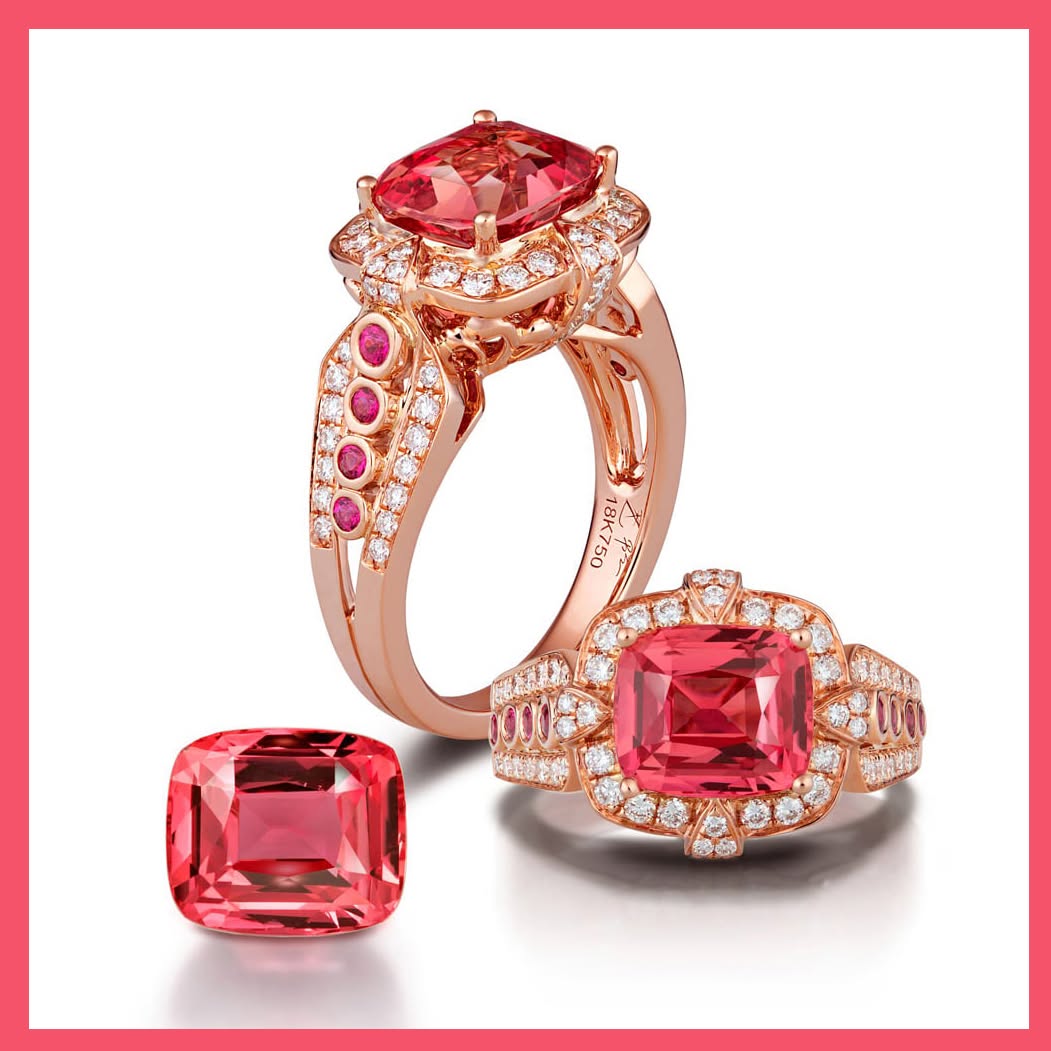
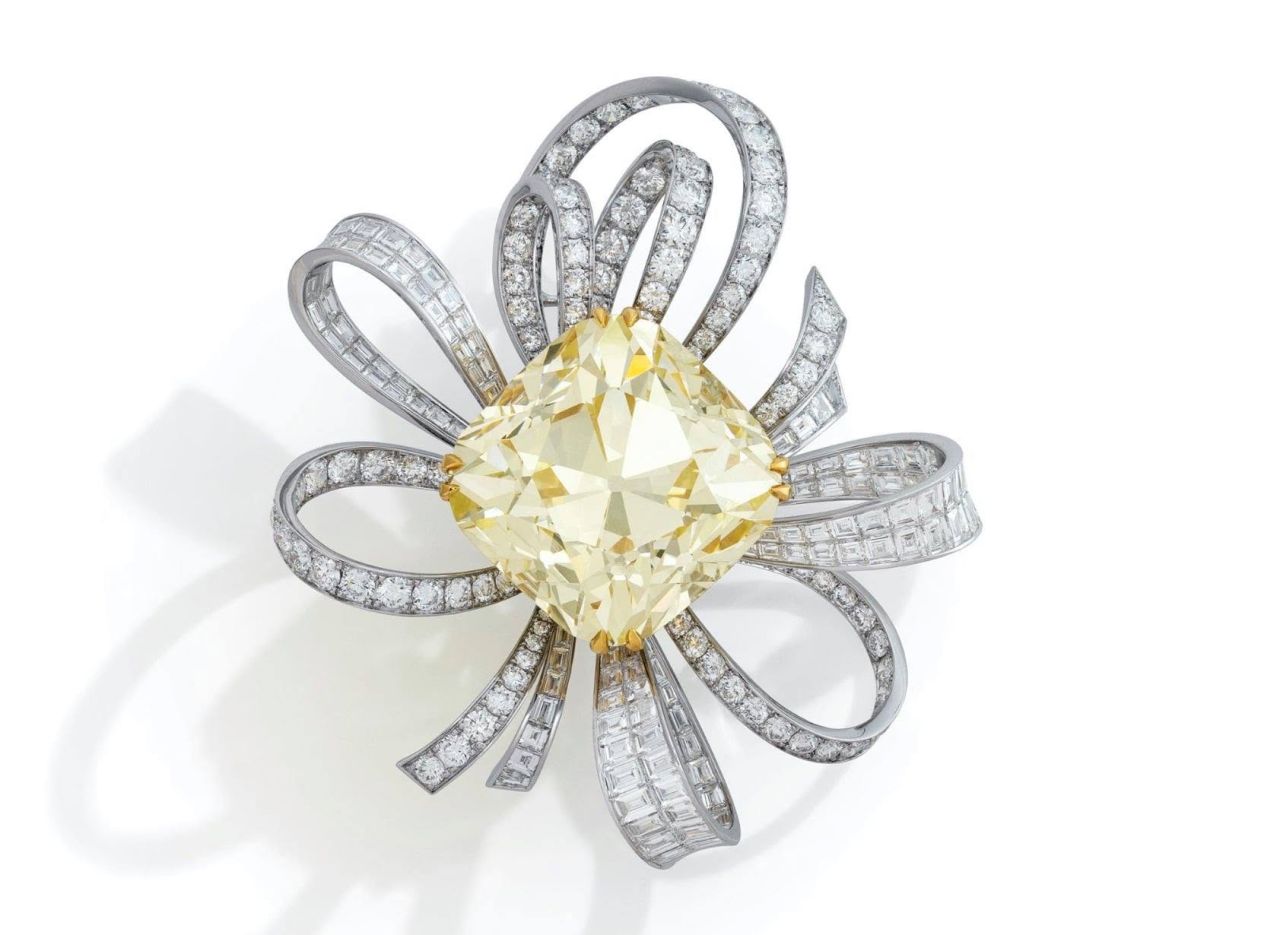
Zultanite is mined in a remote mountain area of western Turkey. The name was introduced in 2005 by Murat Akgun, a Turkish jeweler who acquired the rights to mine the commercial source of color-change diaspore. In order to distinguish it from non-gem quality diaspore found elsewhere, Akgun named it zultanite in honor of the Sultans who once ruled the Ottoman empire.
You may wonder why I call color-change diaspore, zultanite, but I won’t call jadeite jade “fei cui.” It’s because zultanite only has one meaning—transparent color-change diaspore and is not misleading or confusing. A lab report with the mineral name diaspore helps clarify the stone is a real gemstone, not a man-made product like CZ.

“Fei cui,” however, has 6 meanings, 4 of which are defined in the Standard Methods for Testing Fei Cui for Hong Kong published by GAHK. This helpful guide even lists the differing physical properties of jadeite jade, omphacite jade, & kosmochlor jade that distinguish them. They can sometimes be differentiated simply by color & refractive index. A lab report that only says “fei cui,” does not clarify if a stone is jadeite jade or not and can be used to deceive buyers into thinking omphacite jade is jadeite jade. That is why you need a report with the species name. It’s okay if a comments section says “known in China as fei cui,” but the identification line should use a non-ambiguous gemological term to protect buyers.
The 2nd reason I will call color-change diaspore, zultanite, is because that is the term used to sell the stone to English speakers and even non-English speakers.
None of the jadeite sellers in stores or at gem shows I met in Hong Kong last year used “fei cui” to sell it to English speakers. They used terms like “jade”, “Burma jade”, & “jadeite jade.” In addition, since “fei cui” means “Burma jade” to many Chinese, it can be used to deceive them into thinking Guatemalan jade is Burma jade, which can command premium prices. Perhaps this contributed to a request for jadeite jade origin reports.

A 3rd difference between “zultanite” and “fei cui” is that the term “zultanite” was introduced to differentiate it from low-grade diaspore whereas “fei cui” was originally a special term for high-quality green jade and it still has that meaning for many Chinese Americans. Its original traditional meaning was watered down so that all pyroxene jade no matter how bad its quality or treatment status could be called “fei cui.” Now there are efforts to eliminate “jadeite” from the English language and replace it with “fei cui.” I’m trying to do my part to make sure that doesn’t happen. “Jadeite” is a positive term that is understood worldwide, and jadeite jade sellers need it to effectively promote and sell their jadeite jade. Buyers need the term so they can get lab reports that confirm their jade is jadeite jade and not something else. Hopefully gem labs will continue to identify stones with non-ambiguous gemological terms like “jadeite jade.”
Relevant comments were made by Basil Gem Lab in their 7-27-2025 synthetic moissanite Instagram post. It said:

* A vague certificate is not a truthful certificate.
* Ethical gemologists must uphold clarity, precision, and scientific integrity in every report.
More photos & info on zultanite are at www.zultanite.com and in the 10-page Zultanite chapter of my “Exotic Gems Volume 1” book www.reneenewman.com/exotic.htm
Guest articles by Renée Newman:
https://gem-spectrum.com/category/renee-newman
About the author:
Renée Newman is a gemologist (GG, GIA), lecturer, writer and author of 15 books on gems and jewelry. Her goal is to provide consumers and jewelry professionals with unbiased, affordable information on how to buy, evaluate and appreciate gems and jewelry. She can be reached through her website: