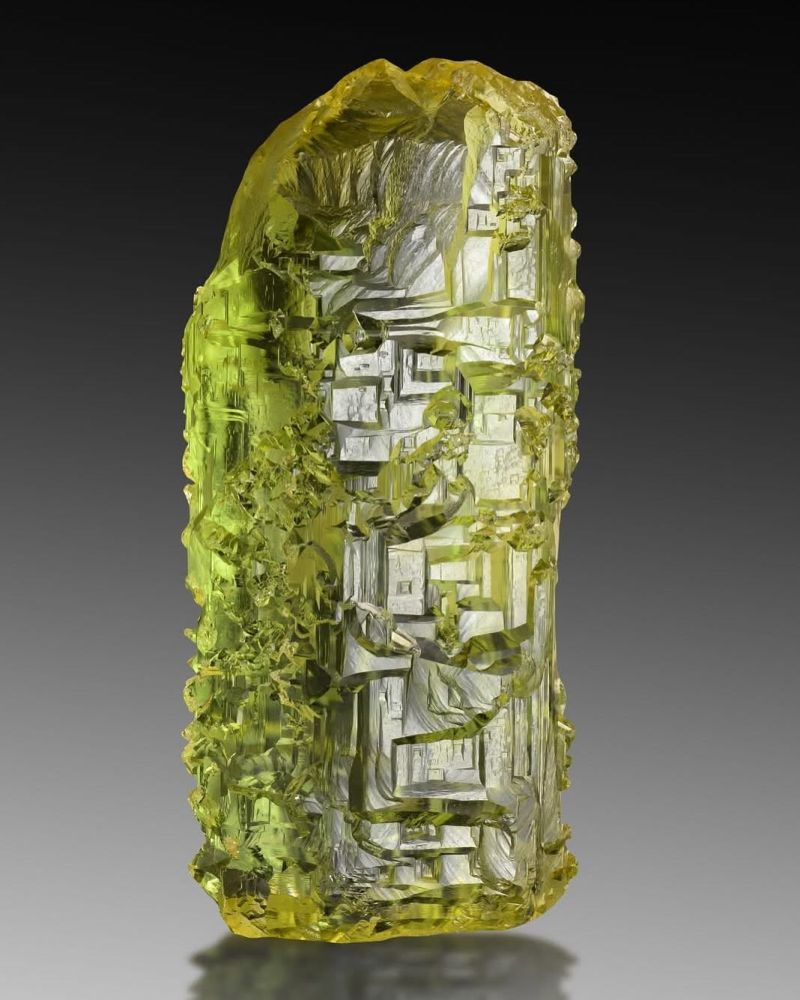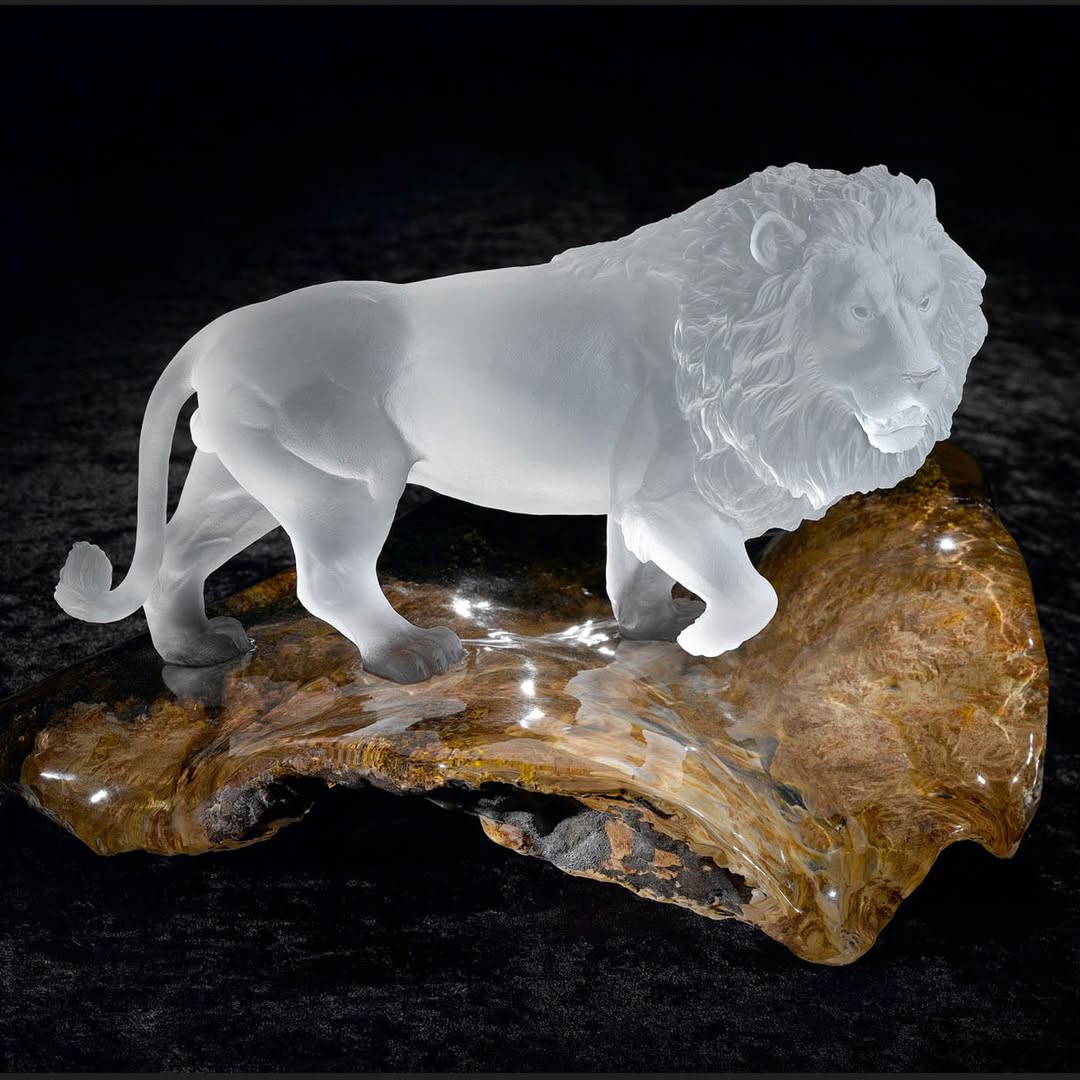

Rock crystal is colorless quartz (silicon dioxide, SiO2) and is the most widely distributed variety of quartz. Most is found in Brazil, but India, Madagascar, Russia, Switzerland and Arkansas & Colorado in the U.S. are also major sources.
The term crystal by itself usually means fine-quality glass. Crystal comes from the Greek word for ice—krystallos. To clarify that it is not glass, rock crystal is commonly called clear quartz. You can often distinguish glass from quartz by how they feel when you hold them.
Rock crystal usually remains cold in your hand for a long time, whereas the glass quickly becomes warm. Large crystal balls were sometimes used in Roman times to cool the hands of those who could afford the balls.
Besides being carved and cut as beads and faceted stones, rock crystal is used for lenses and decorative objects. Sometimes, it may be quench-crackled (heated and cooled immediately) and then dyed green or red to imitate emerald and ruby.

Based in London, Ingo Henn (FGA) (FIPG), grew up among the cutters and goldsmiths linked to his parents’ family business in Idar-Oberstein. He orchestrates the creation of Henn of London’s bespoke jewelry designs, working with a team of expert craftspeople. After he selects exceptional gems, he lets them speak to him and inspire the finished creations. See more examples at www.hennoflondon.co.uk.
You can get information on other quartz varieties in my book “Gemstone Buying Guide: How to evaluate, identify, select & care for colored gems.”


See: www.reneenewman.com/gemstone.htm
Guest articles by Renée Newman:
https://gem-spectrum.com/category/renee-newman
About the author:
Renée Newman is a gemologist (GG, GIA), lecturer, writer and author of 15 books on gems and jewelry. Her goal is to provide consumers and jewelry professionals with unbiased, affordable information on how to buy, evaluate and appreciate gems and jewelry. She can be reached through her website: