In practical terms, to remove this yellow component from greenish aquamarines, virtually all material is heated in reducing conditions (e.g. in charcoal) between 250-500 °C, sometimes slightly more, for a few minutes or hours. This reduces the iron from Fe3+ to Fe2+ and the stones turn into a stable and more commercially desired blue.
Gemmologically speaking, heat treatment in aquamarines is, however, in most cases currently non-determined in a laboratory for it leaves no known indication to detect it, so always assume that aquamarines may have been heated by this process that has been a common trade practice for years. If the green component is significant, then we might just presume that there is a fair chance that it might not have been heated, but, again, one can only speculate.

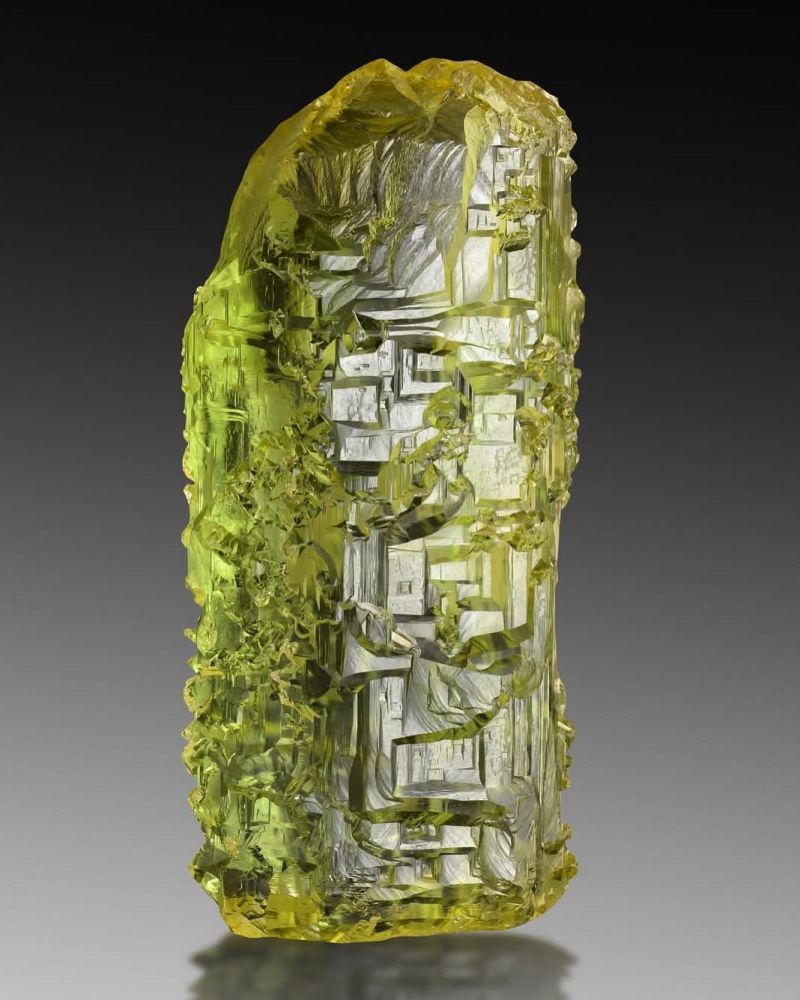
Image: a stunning greenish-coloured 21 cm-long beryl crystal (aquamarine) from Marambaia (Caraí), Minas Gerais, Brazil. Photo Joe Budd © The Arkenstone ; A Jean Schlumberger’s “Bird in a Rock” brooch by Tiffany & Co. featuring diamonds and a green beryl.
Guest articles by Rui Galopim de Carvalho:
https://gem-spectrum.com/category/rui-galopim-de-carvalho

About the author:
Rui Galopim de Carvalho is a renowned independent Gem Education Consultant, author, luxury industry training expert and popular international lecturer on gemmology and on the history of gem materials. During his 30 year experience as a gemmologist, Rui has studied important collections in both public and private museums, notably the Portuguese Crown Jewels.
Founder of the popular Home Gemmology webinar series launched during the COVID-19 lockdown, Rui has a long history as a gemmology communicator, notably on social media where he is a popular figure.
Rui Galopim de Carvalho can be reached through his website: