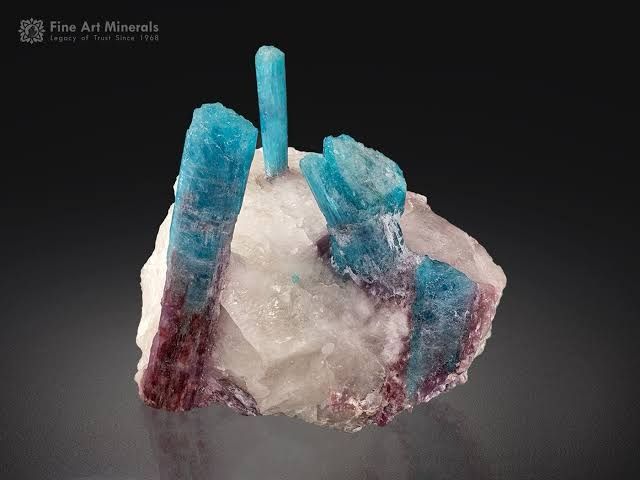

One of the most exciting gem novelties of the 20th century was reported in 1989 in São José da Batalha, Paraíba state, Brazil. These were copper-rich, or cuprian, elbaites (the name mineralogists call the sodium and lithium-bearing species of the tourmaline supergroup) and are now known as “Paraíba tourmalines” with the characteristic vibrant blue and green “neon” colours.
The Brazilian finds were rare in cut sizes over 1 ct, and they rapidly gained popularity with the prices going to the roof. Mineral collectors also went crazy about this vibrant new gem.

Cuprian elbaites were later found elsewhere, namely in the neighbouring state of Rio Grande do Norte (Brazil), Nigeria, and notably in the Nampula province of Mozambique, from where many of the gem-quality stones in modern jewellery come from today.
Although heat treatment is a common trade practice to modify the colour, especially to turn the purple on manganese-bearing crystals into neon green to blue, clarity treatments (like fracture filling) have also been reported in more fissured material.
Important stones are usually accompanied by a gemmological report from a reputable laboratory to prove copper content and treatments and, sometimes, origin.

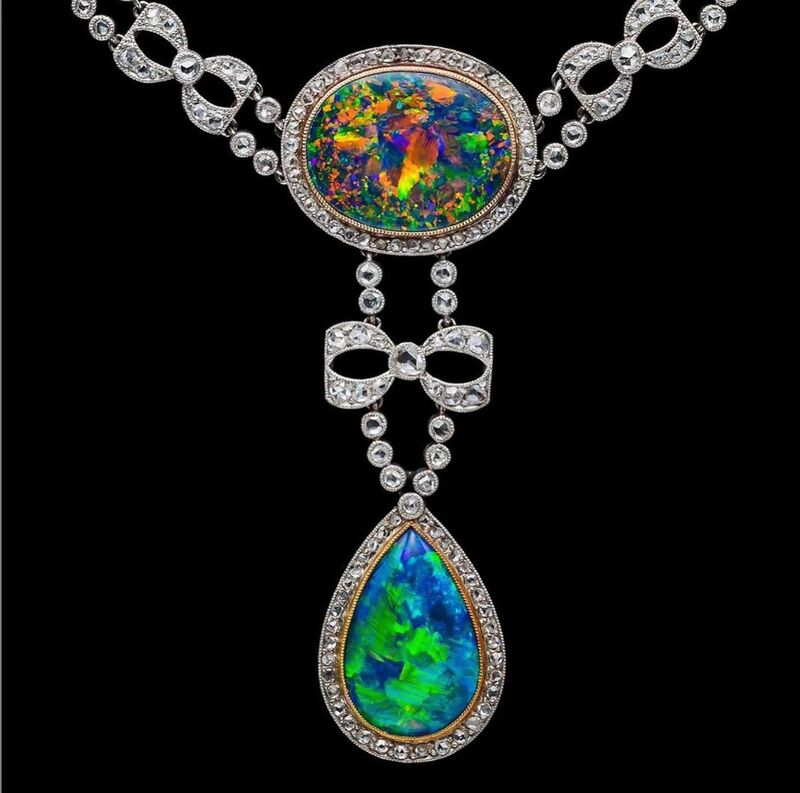
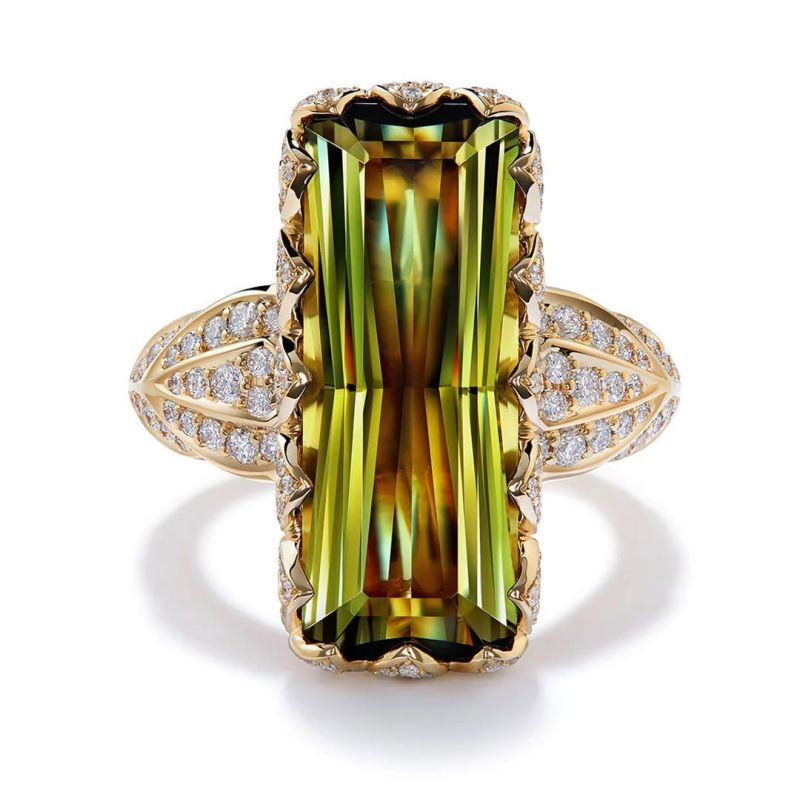
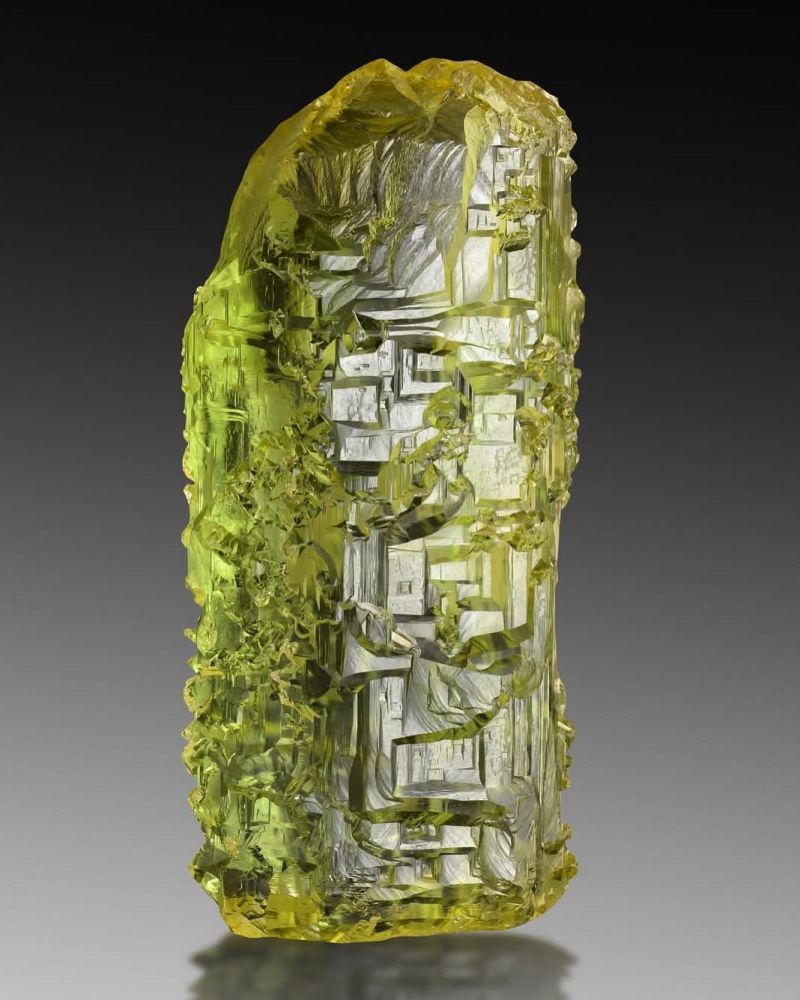
In the images: Unusually large c. 60 ct unheated Paraíba tourmaline set on a pendant and necklace by Dehres , photo © Katerina Perez ; Fine Paraiba tourmaline and diamond ring © Dehres; cuprian elbaite from the Batalha mine, Paraiba state, Brazil (6 x 6 x 8 cm) © Fine Art Minerals
Guest articles by Rui Galopim de Carvalho:
https://gem-spectrum.com/category/rui-galopim-de-carvalho

About the author:
Rui Galopim de Carvalho is a renowned independent Gem Education Consultant, author, luxury industry training expert and popular international lecturer on gemmology and on the history of gem materials. During his 30 year experience as a gemmologist, Rui has studied important collections in both public and private museums, notably the Portuguese Crown Jewels.
Founder of the popular Home Gemmology webinar series launched during the COVID-19 lockdown, Rui has a long history as a gemmology communicator, notably on social media where he is a popular figure.
Rui Galopim de Carvalho can be reached through his website: