Those that study the geology of diamond are very familiar with the chromium-rich pyrope garnets that are often associated with the diamond-bearing deposits. But here I wish to entertain a different type of garnet and its etymological association with diamond. Diamond got its name from the greek “adamas” meaning invincible, the same radical that was used by Portuguese poet Luis de Camões (c. 1524-1580) in its masterpiece “Os Lusíadas” (meaning the Portuguese) to name the mythologic monster “Adamastor Giant” that in today’s Cape of Good Hope kept sail ships from passing from the Atlantic to the Indian Ocean – a Portuguese sailor, Bartolomeu Dias (1450-1500), was the first to beat the giant in 1488. Going back to gemstones, due to diamond’s very high lustre in polished surfaces, mineralogists named the diamond-like lister as “adamantine”.
Here is when garnets may enter this story. When the chromium-rich green variety of andradite garnet was discovered in 1868 in the Ural Mountains its almost diamond-like lustre in faceted gems inspired mineralogists to name it after its visual similarities with diamond, not only its sub-adamantine lustre but also its high dispersion that cause the “fire” effect, from the Flemish “demant”: demantoid, meaning diamond-like.


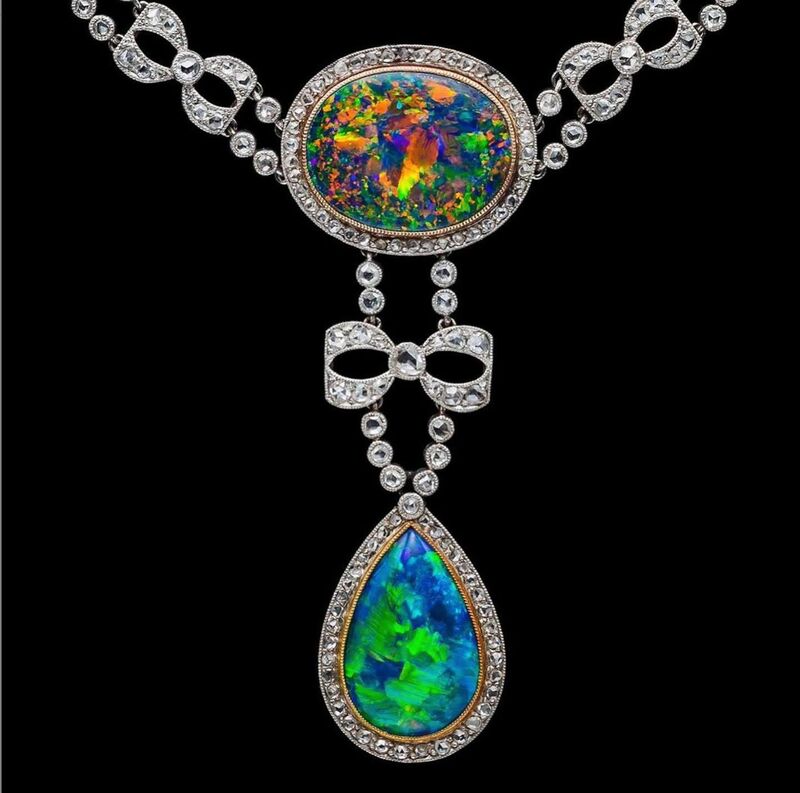
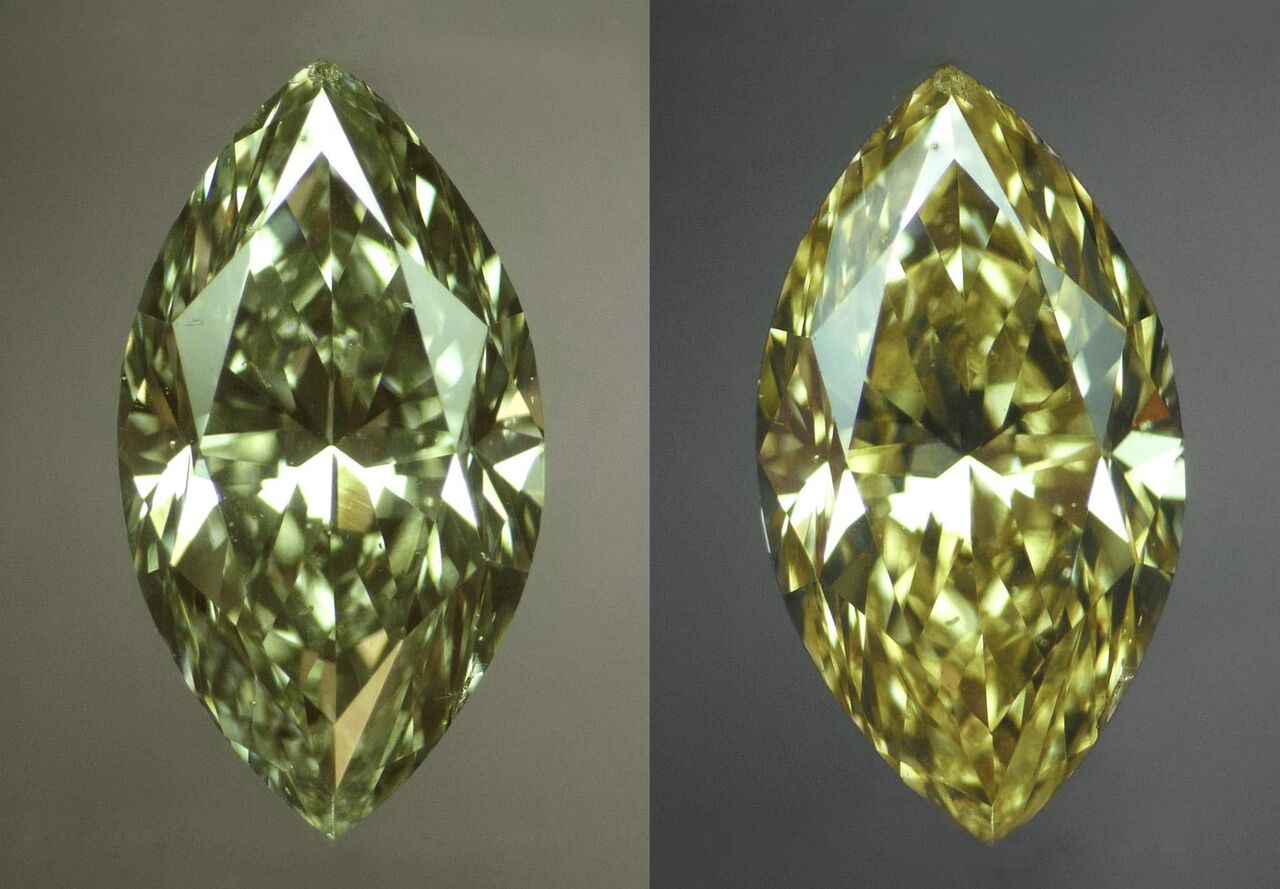
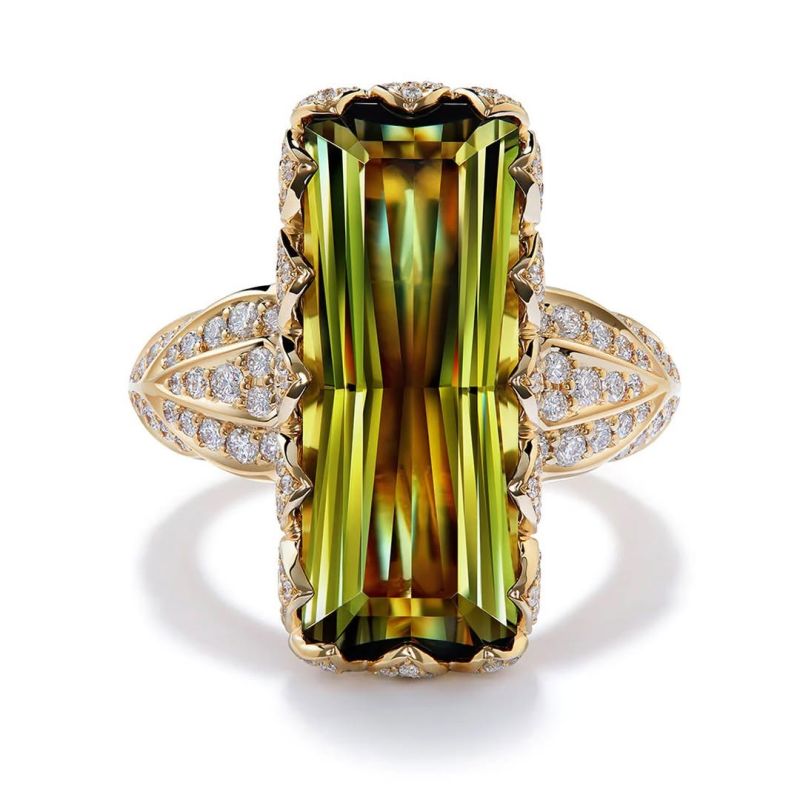
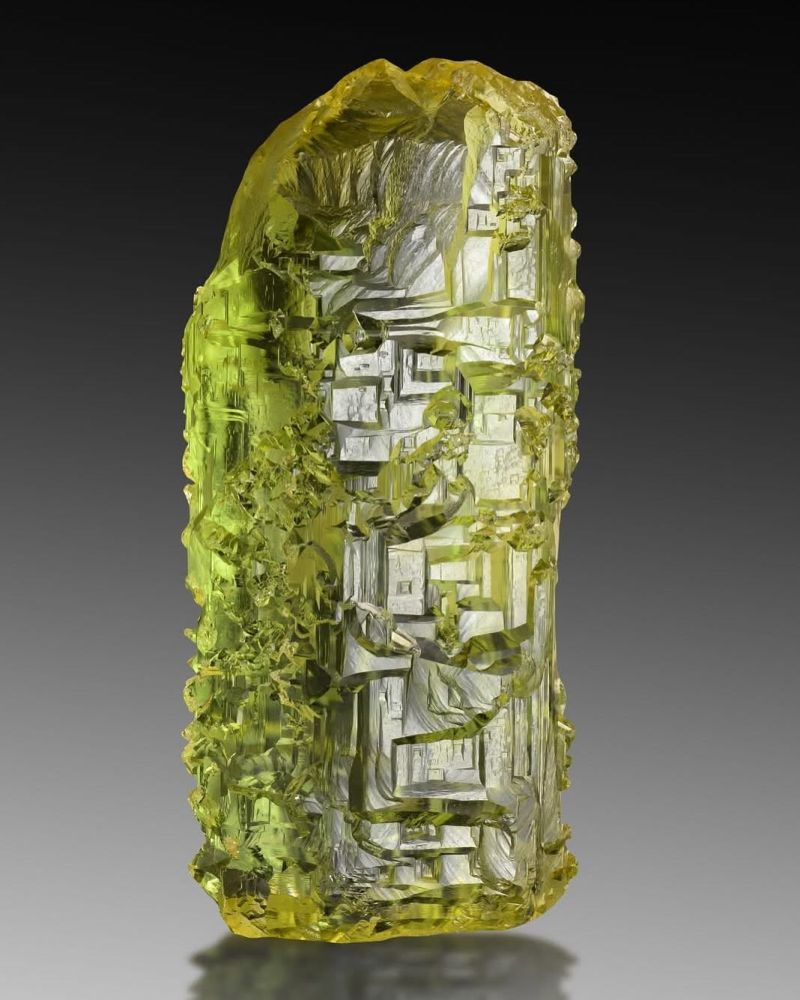
In the photos, antique ring with diamond and a 1.82 ct demantoid garnet © Lang Antique and Estate Jewelry ; Loose cut stones from the Urals © Tsarina Jewels ; demantoid crystal in matrix from the Sferlùn asbestos mine, Vallone del Cengiaccio, Lanzada, Sondrio Province, Lombardy, Italy. Mindat © Gianfranco Ciccolini
Guest articles by Rui Galopim de Carvalho:

https://gem-spectrum.com/category/rui-galopim-de-carvalho
About the author:


Rui Galopim de Carvalho is a renowned independent Gem Education Consultant, author, luxury industry training expert and popular international lecturer on gemmology and on the history of gem materials. During his 30 year experience as a gemmologist, Rui has studied important collections in both public and private museums, notably the Portuguese Crown Jewels.
Founder of the popular Home Gemmology webinar series launched during the COVID-19 lockdown, Rui has a long history as a gemmology communicator, notably on social media where he is a popular figure.
He is associate editor of Gem-A’s Journal of Gemmology, Vice-President of the Coral Commission of The World Jewellery Confederation – CIBJO, member of the Communications Committee of ICA (International Colored Gemstone Association), ambassador for LAUREL -Portuguese Association of Excellence Brands (ECCIA member) and consultant for several private collections and trade organizations.
Rui Galopim de Carvalho can be reached through his website: