High-quality rubies have been traditionally known from Asian sources, notably from Myanmar (former Burma) and Thailand/Cambodia area (often seen historically referred to as Siam).
African rubies, on the other hand, were known in the gemmological literature as mostly of cabochon or carving quality, namely from Kenya and Tanzania, with higher quality material being reported in Tanzania only recently.


In late 2007, but especially after 2008, significant quantities of rubies started to be reported from the Cabo Delgado province in Mozambique where poor quality corundum was already known for years in the Montepuez area.
Cut-quality gems in such great numbers was, however, a novelty and, almost at the same time, high-quality rubies were also reported in the neighbouring province of Niassa.
Mozambique, known since the second-half of the 20th century for producing tourmaline, aquamarine and garnet, suddenly became the most relevant ruby player at a global scale.


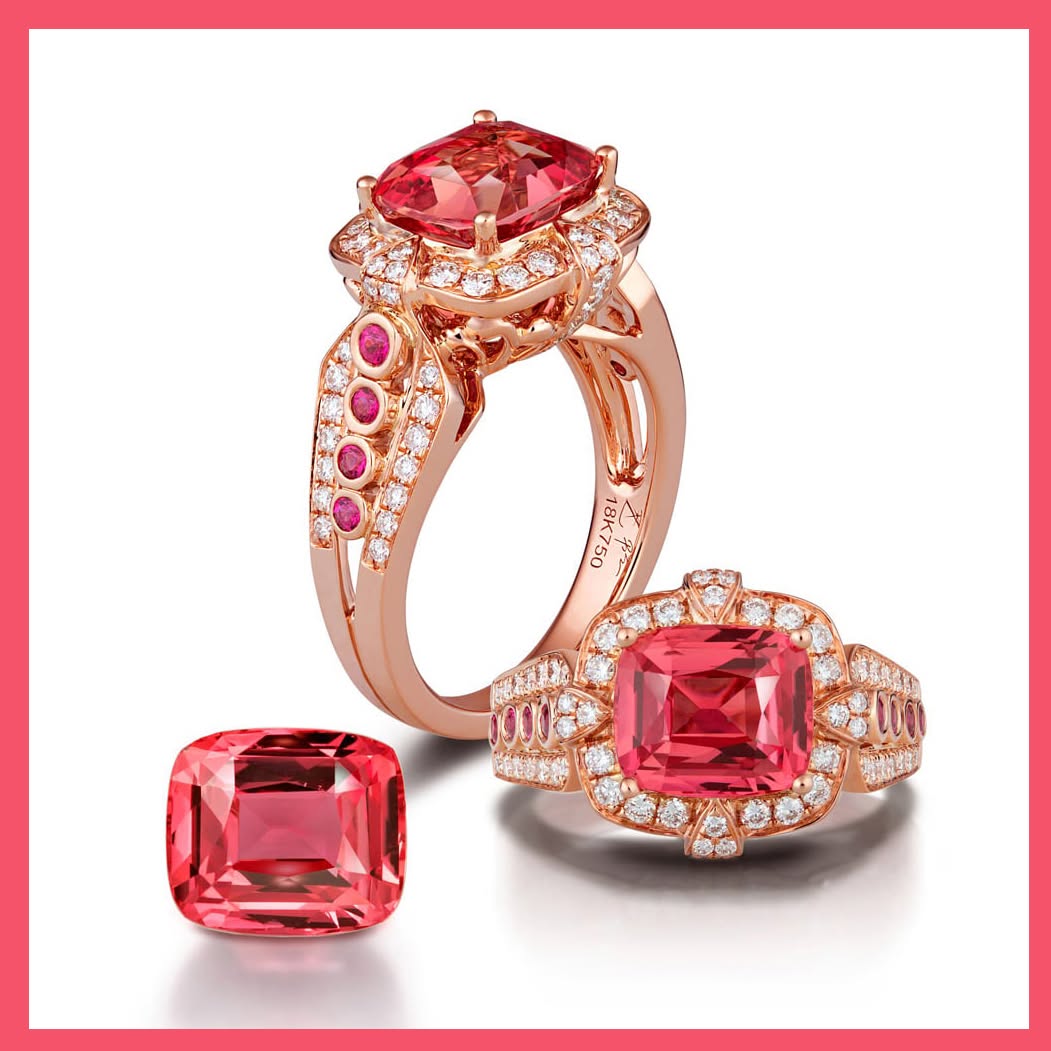
Among the commercial material, there are occasional finds of superior gemmological quality., like the “Rose of Mozambique”, a superb 7.67 ct gem cut in 2018 at Sant Enterprises Co.,Ltd from a 12.24 ct rough from the Montepuez Ruby mine run by Gemfields Group.
Photos, including a 36-carat ruby found in 2025 © Gemfields Group

Guest articles by Rui Galopim de Carvalho:
https://gem-spectrum.com/category/rui-galopim-de-carvalho

About the author:
Rui Galopim de Carvalho is a renowned independent Gem Education Consultant, author, luxury industry training expert and popular international lecturer on gemmology and on the history of gem materials. During his 30 year experience as a gemmologist, Rui has studied important collections in both public and private museums, notably the Portuguese Crown Jewels.
Founder of the popular Home Gemmology webinar series launched during the COVID-19 lockdown, Rui has a long history as a gemmology communicator, notably on social media where he is a popular figure.
Rui Galopim de Carvalho can be reached through his website: