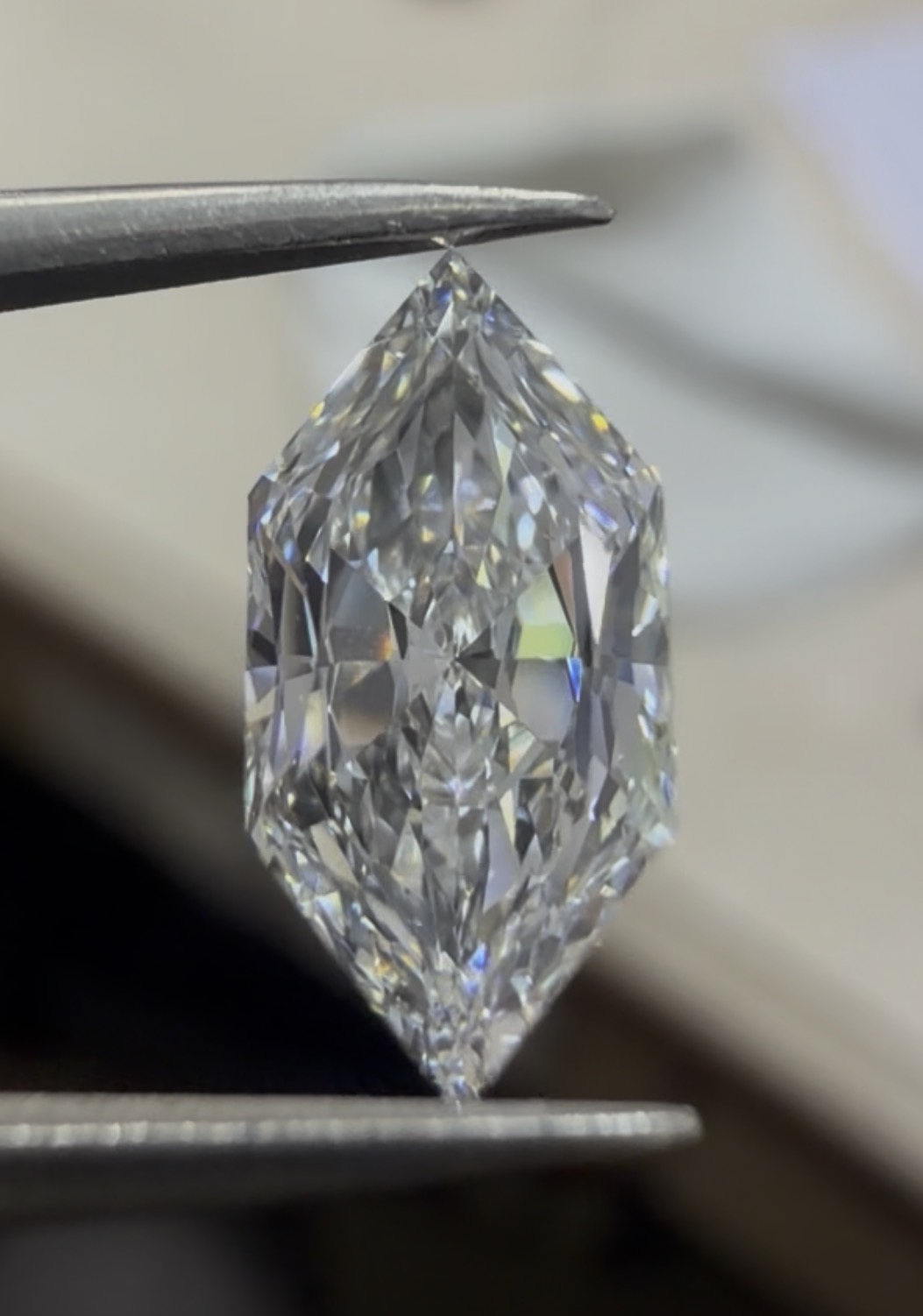
Guest article by Lana Frank, designer of the LANA Cut


The round brilliant diamond cut is a classic for a reason: its familiar shape and lively sparkle have made it a favorite for generations. But diamonds can speak in many styles. Fancy shapes, step cuts and original designs offer different ways to enjoy a diamond’s outline, facets and personality. Some people are drawn to an unusual shape, others want a diamond that feels personal and has a story behind it. A distinctive cut can appeal to collectors, design-minded customers and anyone who admires artistry as much as tradition.
When a cut becomes part of a brand:
The Asscher story is a well-known example of a distinctive cut becoming part of a family’s identity. The Asscher Diamond Company was founded in Amsterdam in 1854, and Joseph Asscher introduced the original Asscher Cut in 1902. The family became known for its diamond-cutting expertise, including Joseph Asscher’s work on the famous Cullinan diamond. The company later became Royal Asscher Diamond Company, continuing its heritage across generations. That history shows how a cut can mean more than a particular shape. It can represent generations of skill, a family’s story and a recognizable design. Another notable example is the Radiant Cut, designed by New York diamond cutter Henry Grossbard in 1977. His design brought together features of step cuts and brilliant cuts. It became a recognizable named cut and helped show how a cutter’s design could make a lasting mark on the industry.
Tiffany & Co. has also created distinctive diamond designs. One example is Lucida®, a Tiffany cut with a step-cut crown and brilliant-cut pavilion. Named designs such as Lucida show how a recognizable cut can become part of a jewelry house’s identity.
A branded cut is more than a name. Its design must have its own character, and the story around it should be shared clearly and meaningfully.
The idea behind LANA Cut:


The idea for LANA Cut belongs to Mr. Henry Ho. He not only came up with the idea, but also came up with the name, LANA Cut. Mr. Ho is a successful serial entrepreneur and the founder of the Asian Institute of Gemological Sciences (AIGS) and Bangkok’s Jewelry Trade Center, among many other great achievements in the business arena worldwide.
I am the designer of the LANA cut. My professional background in diamond cutting and technical drawing education, and my artistic nature shape how I approach its design. (www.lanacut.com)
LANA Cut is an intentional, bespoke design, a diamond crafted by a woman. Its beauty lies in the perfect balance and combination of structural strength and soft appeal. The LANA Cut is designed for a sophisticated, design-conscious client. It has the presence of a statement piece, with an old-soul, vintage-inspired silhouette and modern light performance. The aim is to create a distinctive look without making the stone feel cluttered or overly busy.
The LANA Cut has an elongated hexagonal outline and a star-like pattern at its center. Together, these features give it a clear identity and a look of its own. The outline of this unique shape was deeply influenced by my daughter, whose natural creativity and sharp eye for diamond aesthetics pushed me to rethink traditional geometry.
Diamond manufacturing has long felt like a traditionally male-dominated field to me. When I think about the diamond cuts I have learned about and admired, all of the designers and cutters behind them have been men. Even the modern Princess Cut was developed by three men: Ygal Perlman, Bezalel Ambar and Israel Itzkowitz.
As a woman working in diamond cutting, it means a great deal to have the opportunity to make my mark through LANA Cut. I hope this is the beginning of a longer creative journey, not only with LANA Cut, but with more creative projects in the future.
For me, this is about more than creating a beautiful diamond. It is also about showing that women can contribute to the design and manufacturing traditions of an industry where their creative work has not always been visible. I hope LANA Cut will be valued for its own artistic character and help make more room for women’s ideas in diamond cutting.
Preserving Heritage, Making Room for New Ideas:
To me, preserving the heritage of the diamond industry does not mean looking only to the past. It means recognizing the knowledge, skill and creativity built over generations and ensuring that the people behind that legacy are remembered. It also means documenting personal experiences, passing on craftsmanship, and celebrating the many contributions that have helped shape the industry.
Heritage can be found in a family’s cutting tradition, a distinctive design, or the expertise developed through years of working with diamonds. It can also be found in stories that might otherwise go untold: the experiences of cutters, craftspeople and women whose work has not always received the recognition it deserves.

I see LANA Cut as part of that continuing story. It reflects my own background and creative perspective, while honoring the artistry and technical knowledge that diamond cutting requires. For me, preserving heritage also means making room for new voices and ideas. The industry’s history matters deeply, but its future is shaped by the people who continue to imagine, design and create.
A stone with a story:
A distinctive cut may appeal to collectors because it offers more to appreciate than a stone’s basic specifications. There is the design itself, the skill involved in bringing it to life, and the story of how it came to be. For someone who loves jewelry as an art form, the cut can be what makes a diamond feel especially meaningful.

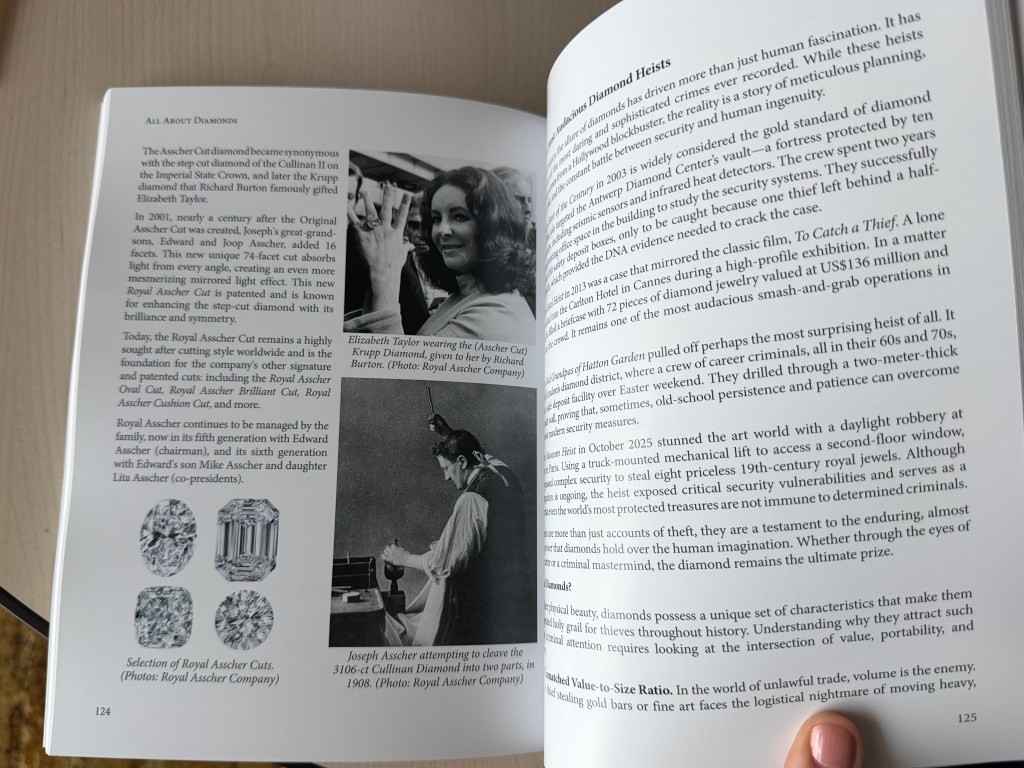
Some buyers want a stone that feels different from what they see every day. Others are drawn to strong shapes, unusual facets or a design with a clear creative point of view. A limited collection may also interest collectors, provided its details are clearly explained and documented.

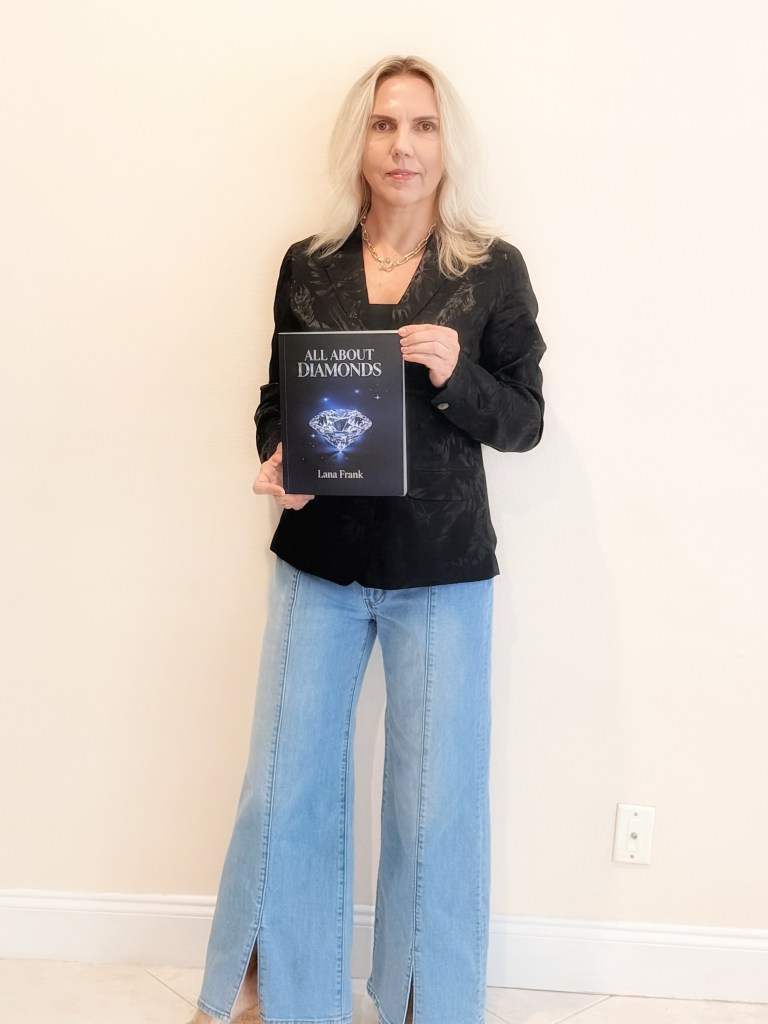
LANA Cut, along with many other special cuts, is featured in my book, All About Diamonds, published by the Asian Institute of Gemological Sciences (AIGS). The book explores diamonds from their origins and rough-diamond recovery through manufacturing and trade. It also focuses on diamond heritage, history, craftsmanship, and human stories behind these stones, as well as ethics and the role of women in the industry. It is available in the AIGS Store and will soon be available on other platforms. https://www.aigsthailand.com
About the author:

Lana Frank is a diamond cutter, consultant, and author with over two decades of experience at the intersection of diamond manufacturing and industry education. For nearly 18 years, she led Diamond Faceting, Inc., a firm registered in South Florida that specialized in manufacturing larger rough diamonds and fancy colors.
A first-generation trade member with a background in fine arts and technical drawing, Lana bridges the gap between the cutting bench and the consumer. Throughout her career, she has gained versatile experience spanning the entire diamond pipeline, from wholesale and retail operations to consulting and training. Her business sense has been further sharpened by education at Harvard Business School and the LVMH Institute, where she focused on management, operations, and luxury branding. As the Co-Creator of the Online Rough Diamond Course (www.diamondcourse.com), she is dedicated to mentoring the next generation of professionals. Lana Frank is the author of All About Diamonds, a book that advocates for artistry, history, human story, and the shift from selling “carats” to preserving “legacy.” She is the developer behind the Independence Lana Cut, a custom-designed diamond cut that reflects her artistic vision (www.lanacut.com). Her process and philosophy behind this signature cut are detailed extensively in her book.

Articles about Lana Frank:
https://gem-spectrum.com/tag/lana-frank/