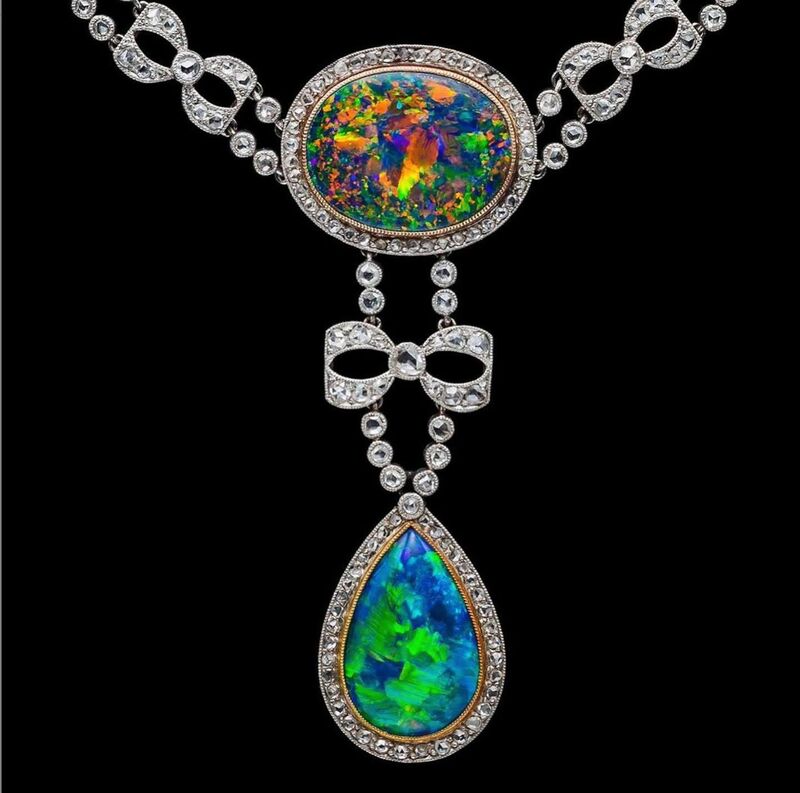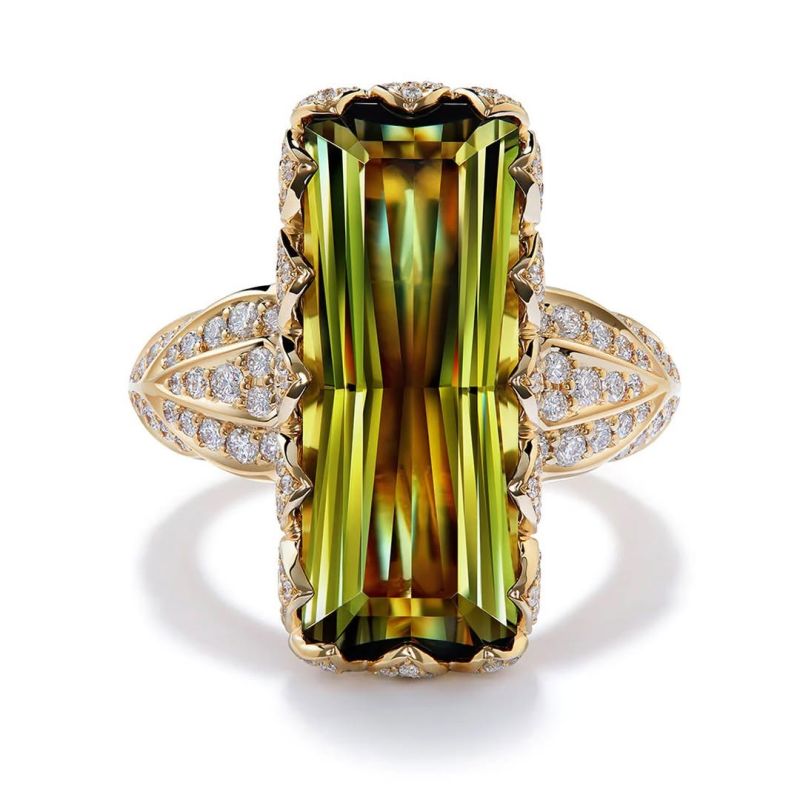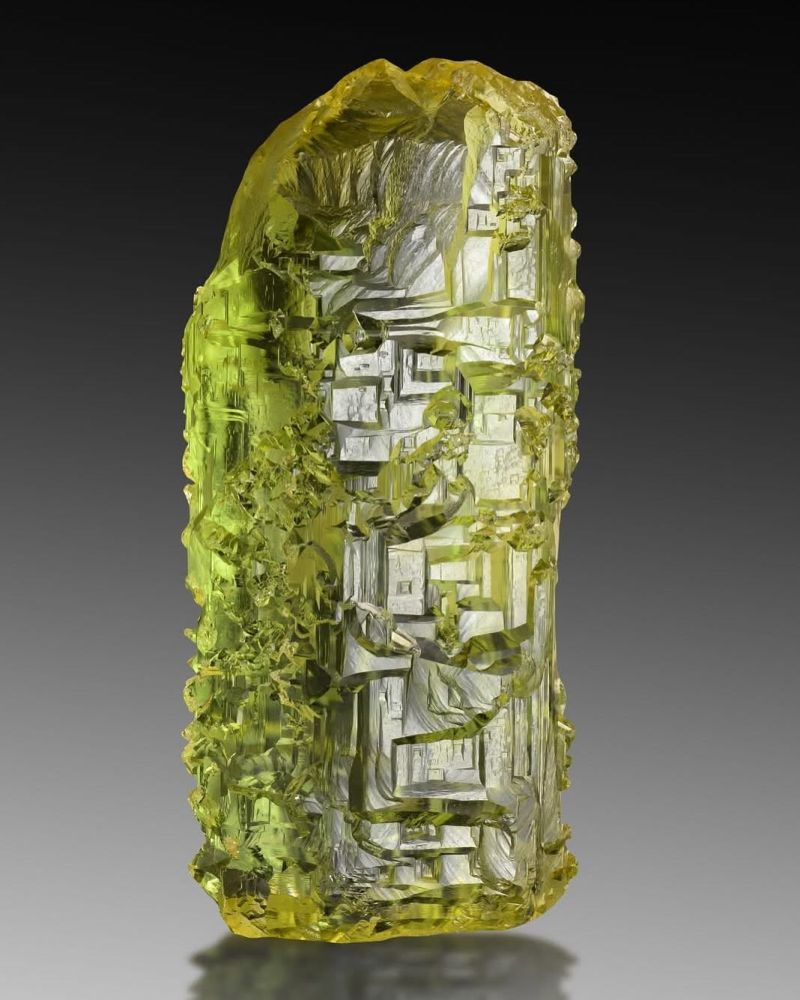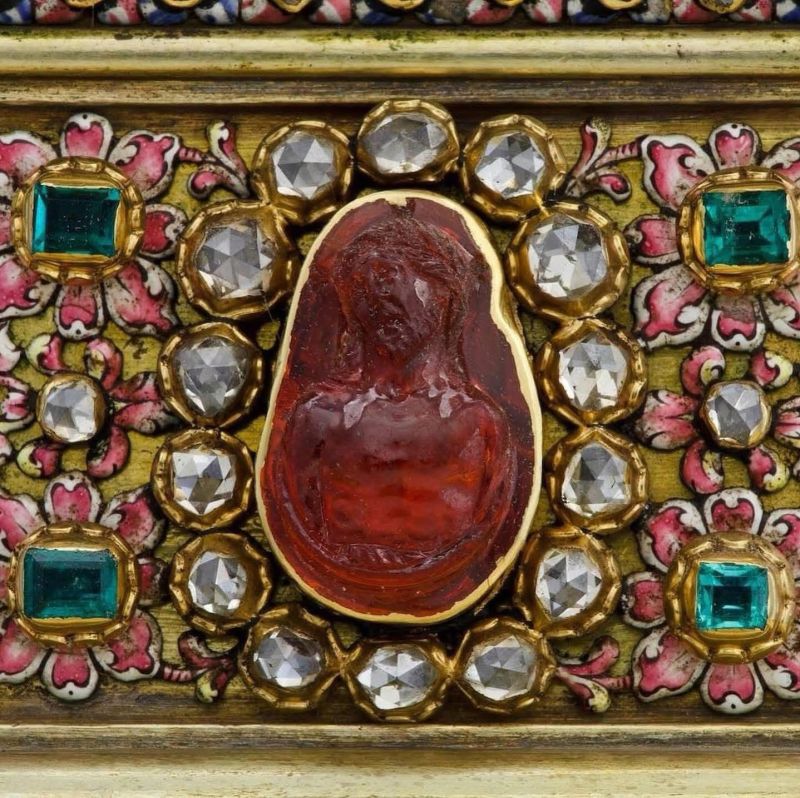

Photo by master Carlos Pombo Monteiro © Arquidiocese de Évora / Fundação Eugénio de Almeida
Hessonite is the varietal name for the orange grossular garnet, a calcium and aluminium mineral species of the vast and complex garnet group.
The name comes from the Greek “hesson”, meaning under, alluding to its lower hardness when compared with other orange minerals (e.g. zircon, tourmaline) that were sometimes known altogether and informally as “jacinth” (and its many orthographic variations), an abandoned trade name.

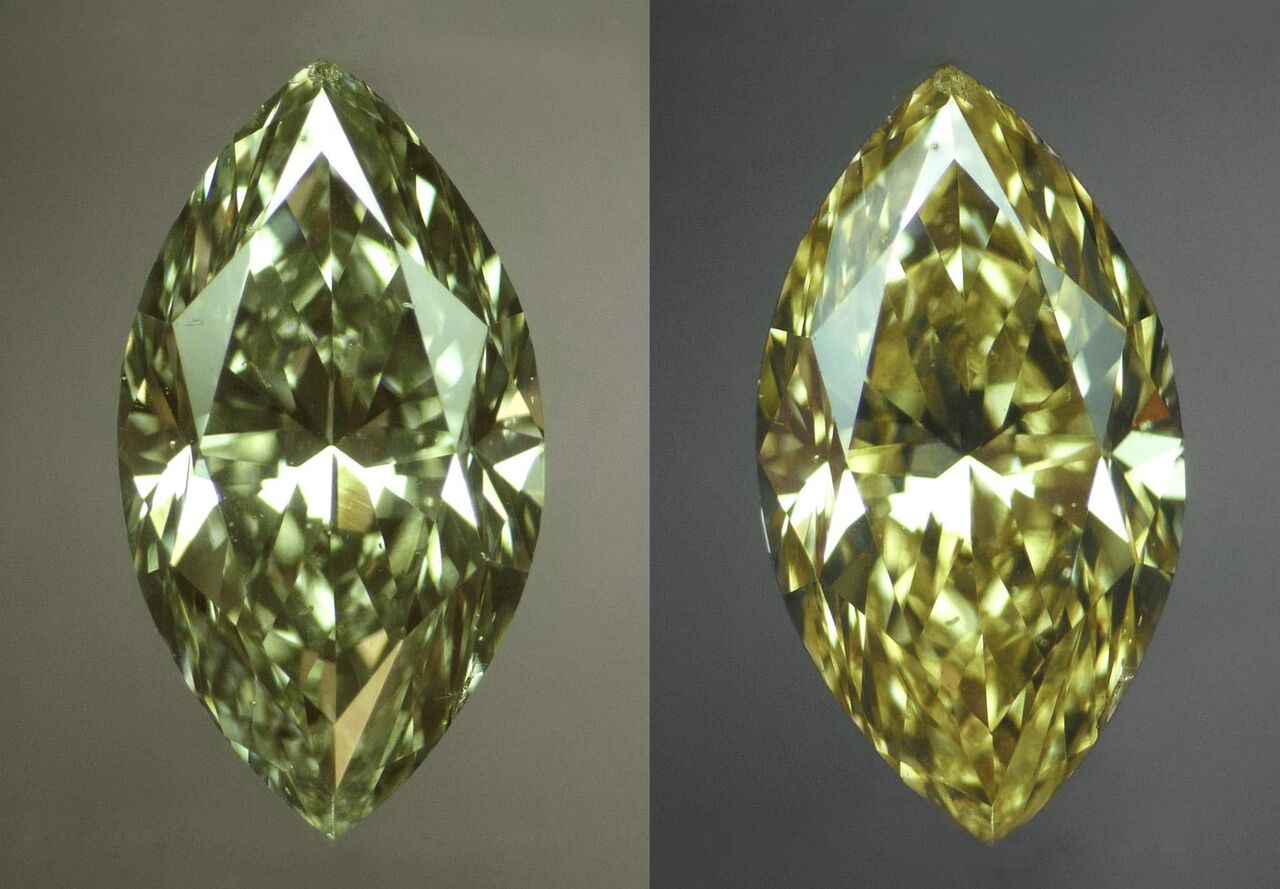
Photomicrograph © Rui Galopim de Carvalho
Profuse apatite and calcite inclusions are commonly present in a typically roiled or heat wave-like background that is easily visible under 10x magnification (depicted in the photos).
Kamburupityia in Sri Lanka has been recognized as a historical source of this coloured gemstone, once called “cinnamon stone” in English, and it is the most probable geographic origin of the “Ecce Homo” carving set on the iconic late-17th century Holy Cross Reliquary of Évora’s Cathedral, in Portugal, possibly carved in Asia.


Photo by master Carlos Pombo Monteiro © Arquidiocese de Évora / Fundação Eugénio de Almeida
Photo by master Carlos Pombo Monteiro © Arquidiocese de Évora / Fundação Eugénio de Almeida ; photomicrograph © Rui Galopim de Carvalho
Guest articles by Rui Galopim de Carvalho:


https://gem-spectrum.com/category/rui-galopim-de-carvalho

About the author:
Rui Galopim de Carvalho is a renowned independent Gem Education Consultant, author, luxury industry training expert and popular international lecturer on gemmology and on the history of gem materials. During his 30 year experience as a gemmologist, Rui has studied important collections in both public and private museums, notably the Portuguese Crown Jewels.
Founder of the popular Home Gemmology webinar series launched during the COVID-19 lockdown, Rui has a long history as a gemmology communicator, notably on social media where he is a popular figure.
Rui Galopim de Carvalho can be reached through his website: