
Feldspars are the most abundant mineral species on the planet’s lithosphere and amazonite is one of the most famous gem varieties of this mineral group being the trade name of the opaque green to greenish-blue microcline (potassium or K-feldspar), sometimes also orthoclase, another K-feldspar.
Its highly suggestive name was given in 1847 by German mineralogist August Breithaupt, indicating an unspecified type locality area in the Amazon, although there are no reported occurrences in the region, possibly inspired by its green colour.

Its colour, caused by lead-related irradiation-induced colour centers or by iron (Fe2+), is specked with small whitish zones that correspond to twinned areas or exsolution textures that are very characteristic of the material.
It is worth remembering again that feldspars, as a group, are the most abundant rock-forming minerals in the Earth’s lithosphere. Amazonite is sometimes referred to in the trade as green feldspar or by the misnomers Brazilian jade, Amazon jade, or Colorado jade and occurs namely Brazil, Canada, India, South Africa, Tanzania and USA (notably at the Morefield mine in Virginia State).


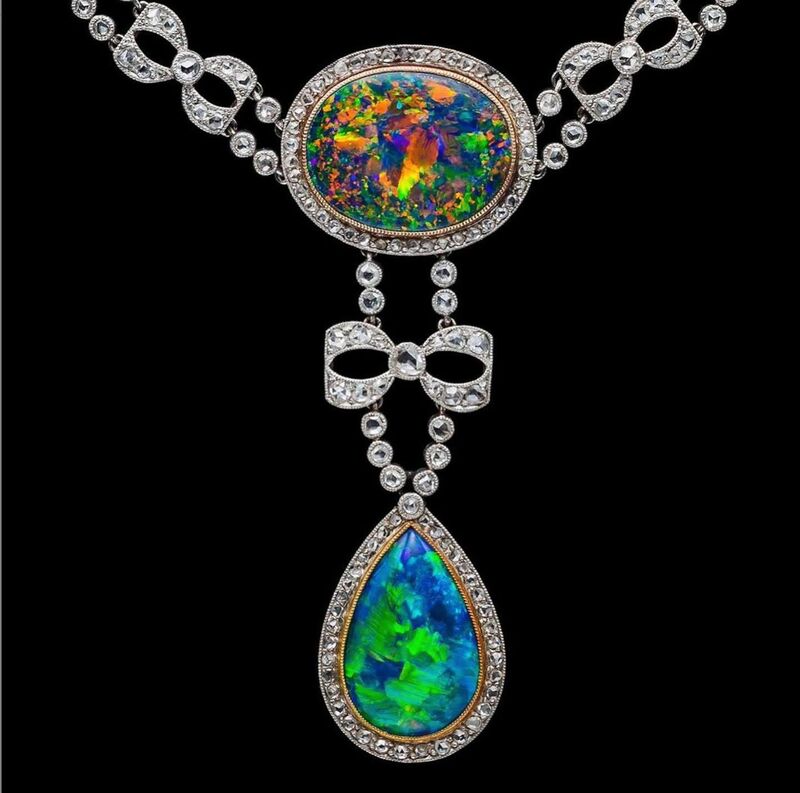
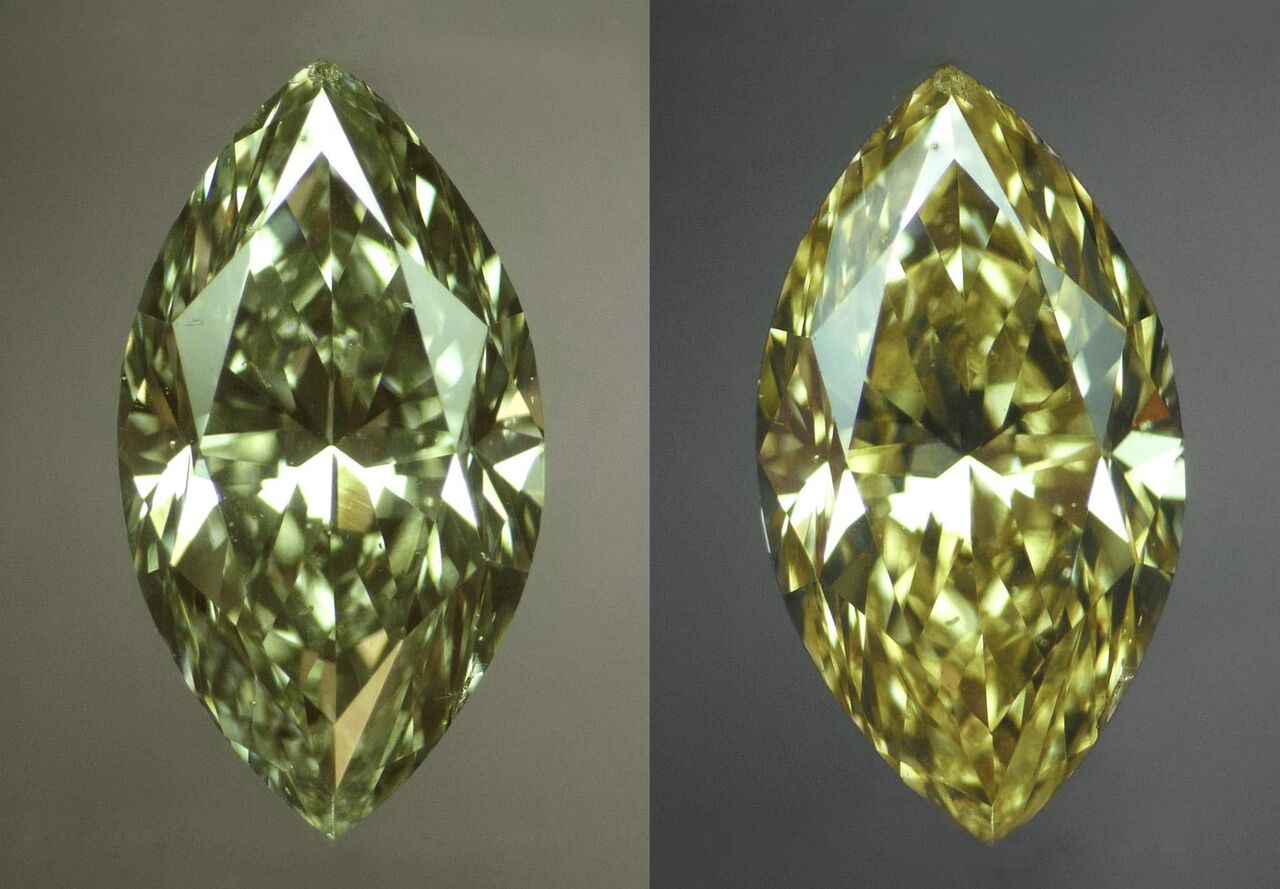
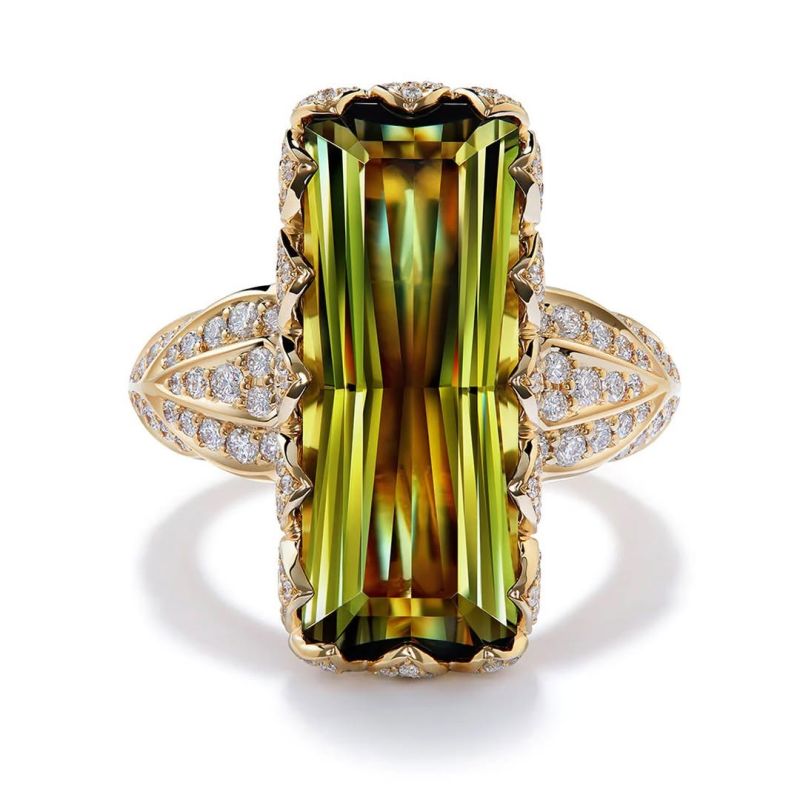
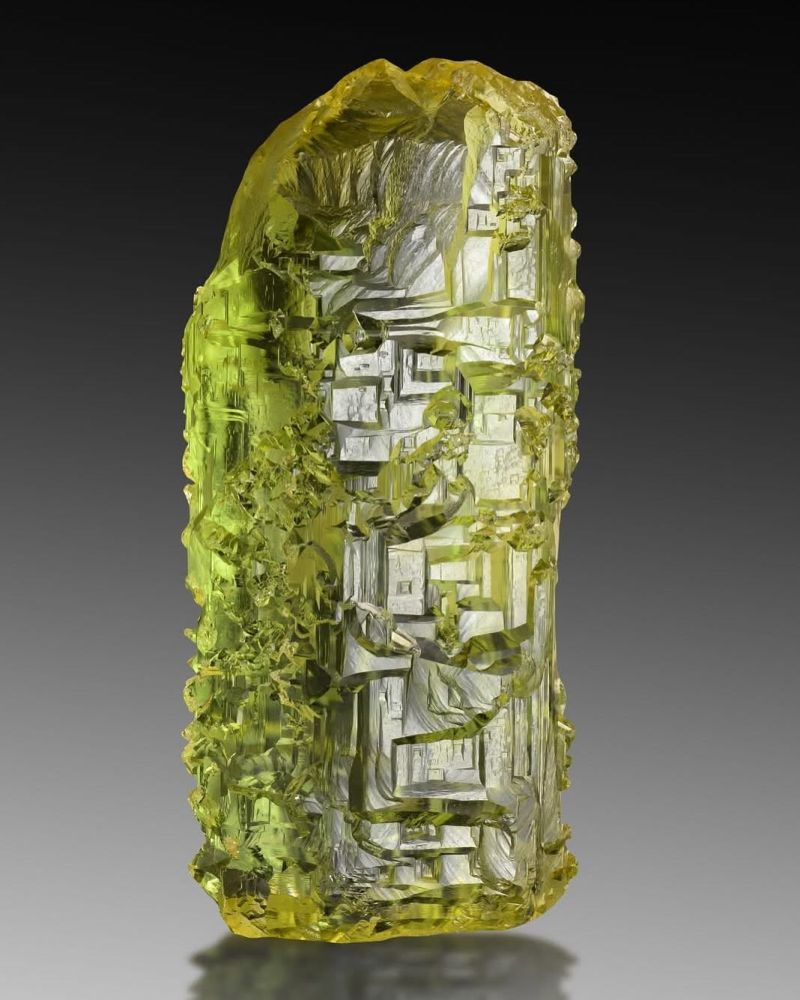
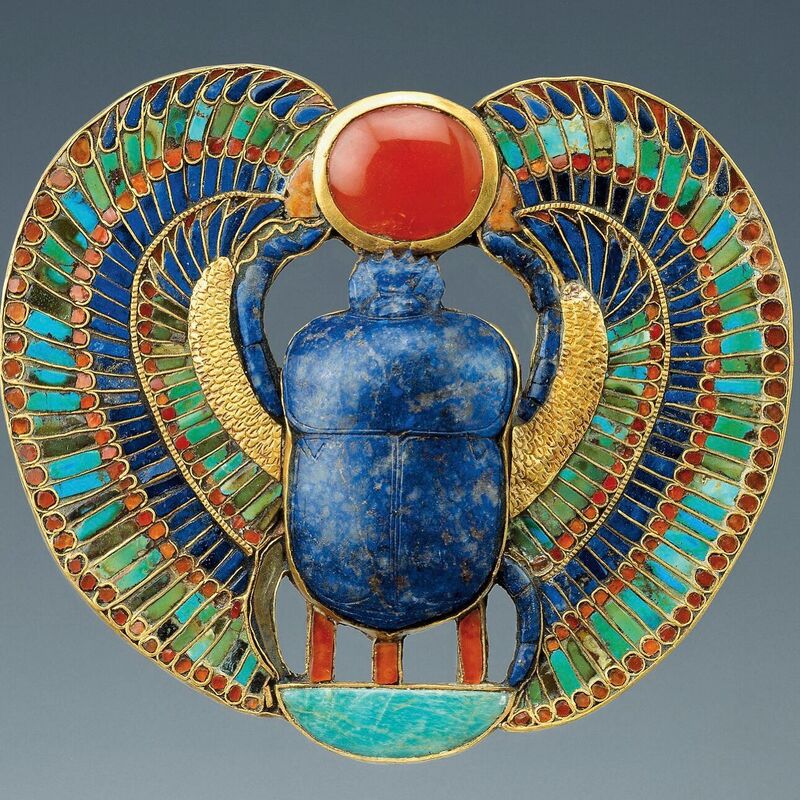
In the photos: Amazonite and smoky quartz mineral collector’s specimen from Night Hawk Pocket, Colorado, USA © Mineral Auctions; Art Deco flowerpot brooch by Cartier © Skinner Auctioneers & Appraisers; the famous winged scarab pectoral Tutankhamun, often known simply as King Tut, that ruled Egypt for less than a decade until his death at age 19, around 1324 BCE, featuring numerous coloured gemstones, including amazonite, lapis lazuli, turquoise and chalcedony © The Grand Egyptian Museum
Guest articles by Rui Galopim de Carvalho:


https://gem-spectrum.com/category/rui-galopim-de-carvalho

About the author:
Rui Galopim de Carvalho is a renowned independent Gem Education Consultant, author, luxury industry training expert and popular international lecturer on gemmology and on the history of gem materials. During his 30 year experience as a gemmologist, Rui has studied important collections in both public and private museums, notably the Portuguese Crown Jewels.
Founder of the popular Home Gemmology webinar series launched during the COVID-19 lockdown, Rui has a long history as a gemmology communicator, notably on social media where he is a popular figure.
Rui Galopim de Carvalho can be reached through his website: