The vast garnet mineral supergroup has a few species that may be used as gemstones in jewellery. The most abundant ones come from the so-called pyralspite isomorphic series (also called isostructural series in mineralogy) that are aluminium-rich garnets with varying amounts of magnesium, iron and manganese, with the correspondent end-members pyrope, almandine and spessartine, respectively (hence the acronym pyralspite).
According to the World Jewellery Confederation – CIBJO, manganese-rich specimens are called spessartine (often misspelled “spessartite” that is, in fact, the name of an igneous rock, not a mineral).

Orange spessartines were popular among mineral collectors (e.g., Brazil, USA, Italy, Australia), but not that popular in jewellery until the early 1990s after the discovery of significant deposits in Kunene, north of Namibia.
These vivid orange garnets are known in the trade as mandarin garnets, kunene garnets or hollandine, and by the curious name “Fanta stone”. Because often occurs in strongly saturated orange colours, this gem garnet variety can be used as a vivid orange cut gemstone even in small sizes.
The name spessartine, as with many mineral species’ names, is from its type locality in the Spessart Mountains, Bavaria, in Germany.

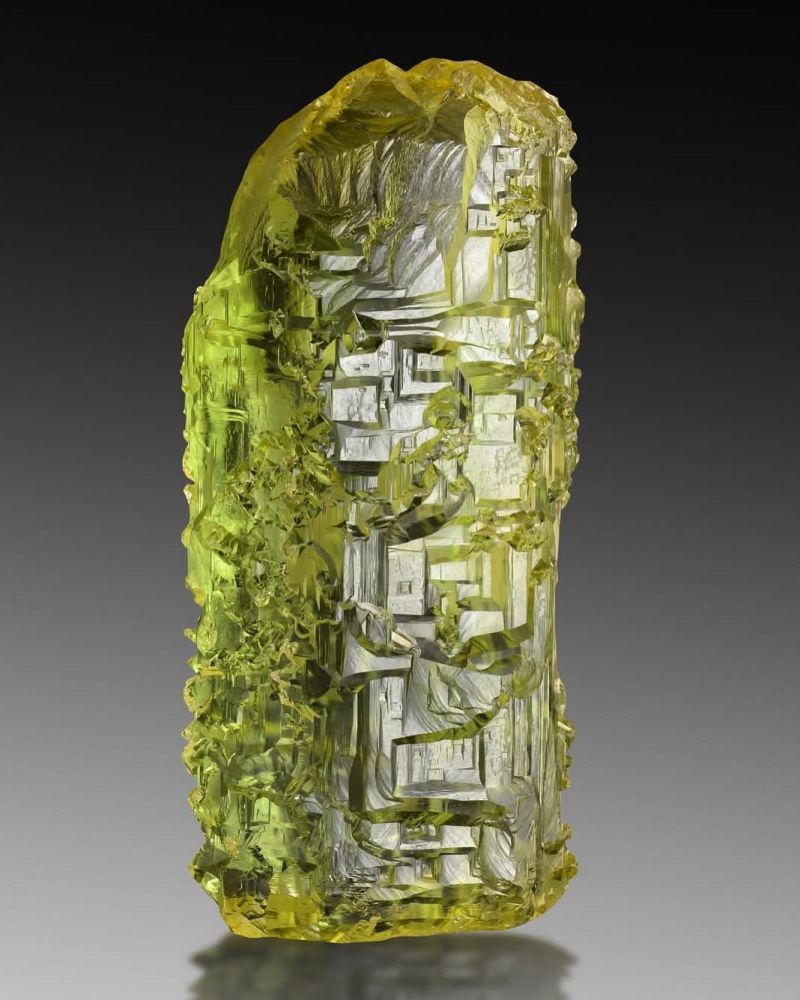
In the images: A cushion-shape 18.20 carat spessartine garnet surrounded by Paraiba tourmalines, aquamarines, additional spessartines, and diamonds © Harry Winston ; The Premier Candy Automatic 31mm watch where the orange gems are spessartine garnets (the others include diamonds, Paraiba tourmalines, tsavorites, sapphires and spinels – all gems with highly saturated coloured varieties with visible colour even in small stones © Harry Winston ; Spessartine garnet specimen (3.3 x 3.2 x 3.0 cm) from Loliondo, Arusha Region, Tanzania © The Arkenstone, www.iRocks.com
Guest articles by Rui Galopim de Carvalho:
https://gem-spectrum.com/category/rui-galopim-de-carvalho

About the author:
Rui Galopim de Carvalho is a renowned independent Gem Education Consultant, author, luxury industry training expert and popular international lecturer on gemmology and on the history of gem materials. During his 30 year experience as a gemmologist, Rui has studied important collections in both public and private museums, notably the Portuguese Crown Jewels.
Founder of the popular Home Gemmology webinar series launched during the COVID-19 lockdown, Rui has a long history as a gemmology communicator, notably on social media where he is a popular figure.
Rui Galopim de Carvalho can be reached through his website: