
The gem and jewellery worlds are rich in terminology that sometimes did not emerge from science but rather from romance and mystery. For the sake of consumer confidence, these many trade names have been clarified, and the nomenclature standards of the World Jewellery Confederation – CIBJO have been playing a pivotal role in that respect on a global scale.
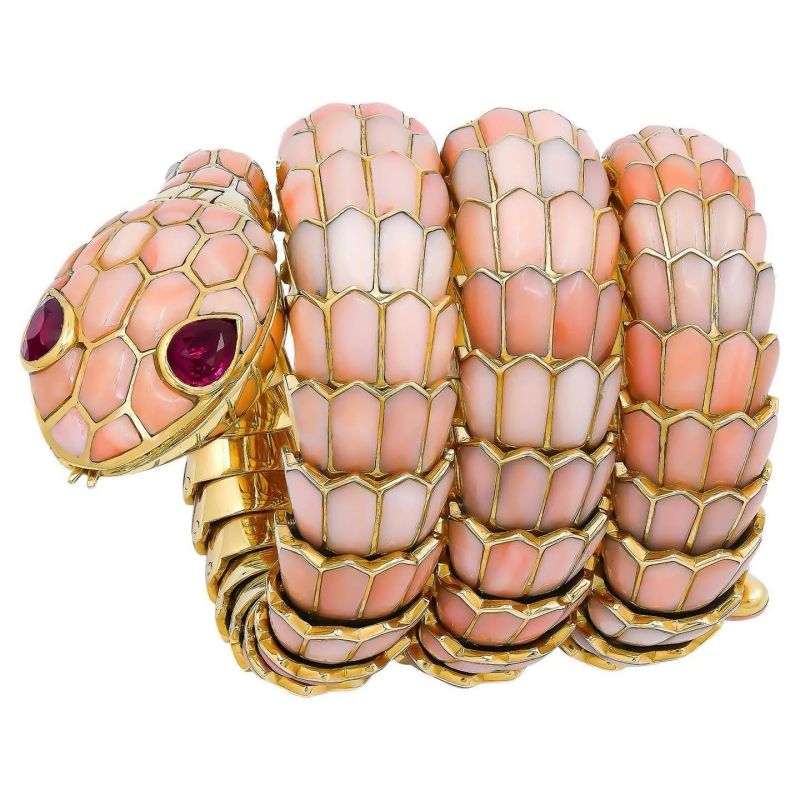
Angel’s Skin coral is one of those names, also mentioned in the trade as “pelle d’angelo”, being the romantic trade name for the light pink variety of the anomalous and rare albino variety of Pleurocorallium elatius (mentioned as Corallium elatius in CITES Appendix III for trade monitoring) that is found at 150 m to 300 m deep, notably in Japan and Taiwan where it is also known as Boké.

This Asian precious coral variety has been very popular in high-end jewellery since the late 19th century. In rarer occasions, though, other species, like Corallium rubrum, may produce light pink varieties that also qualify as “angel skin”.
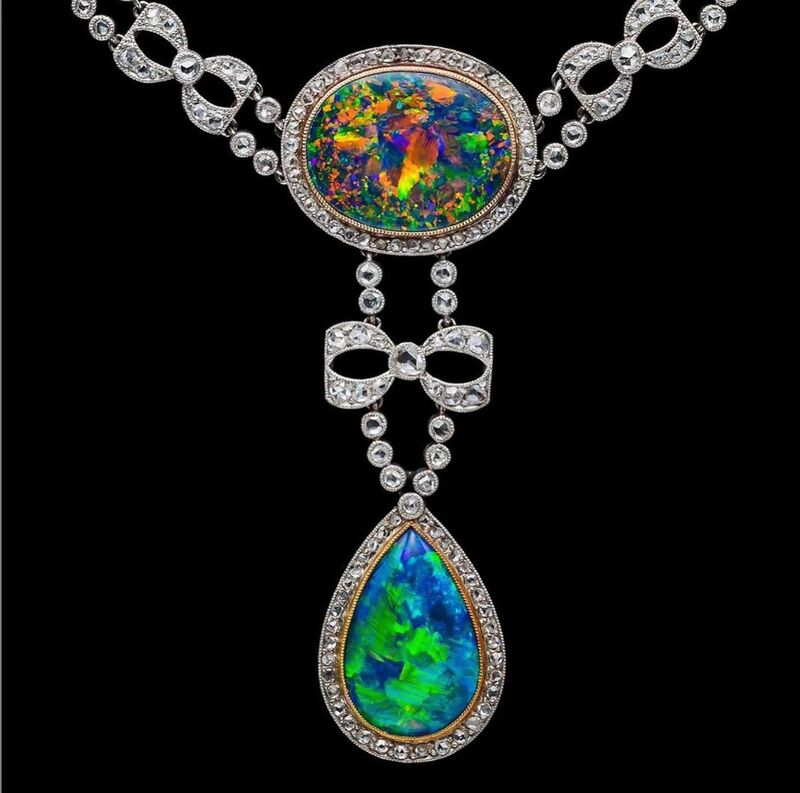
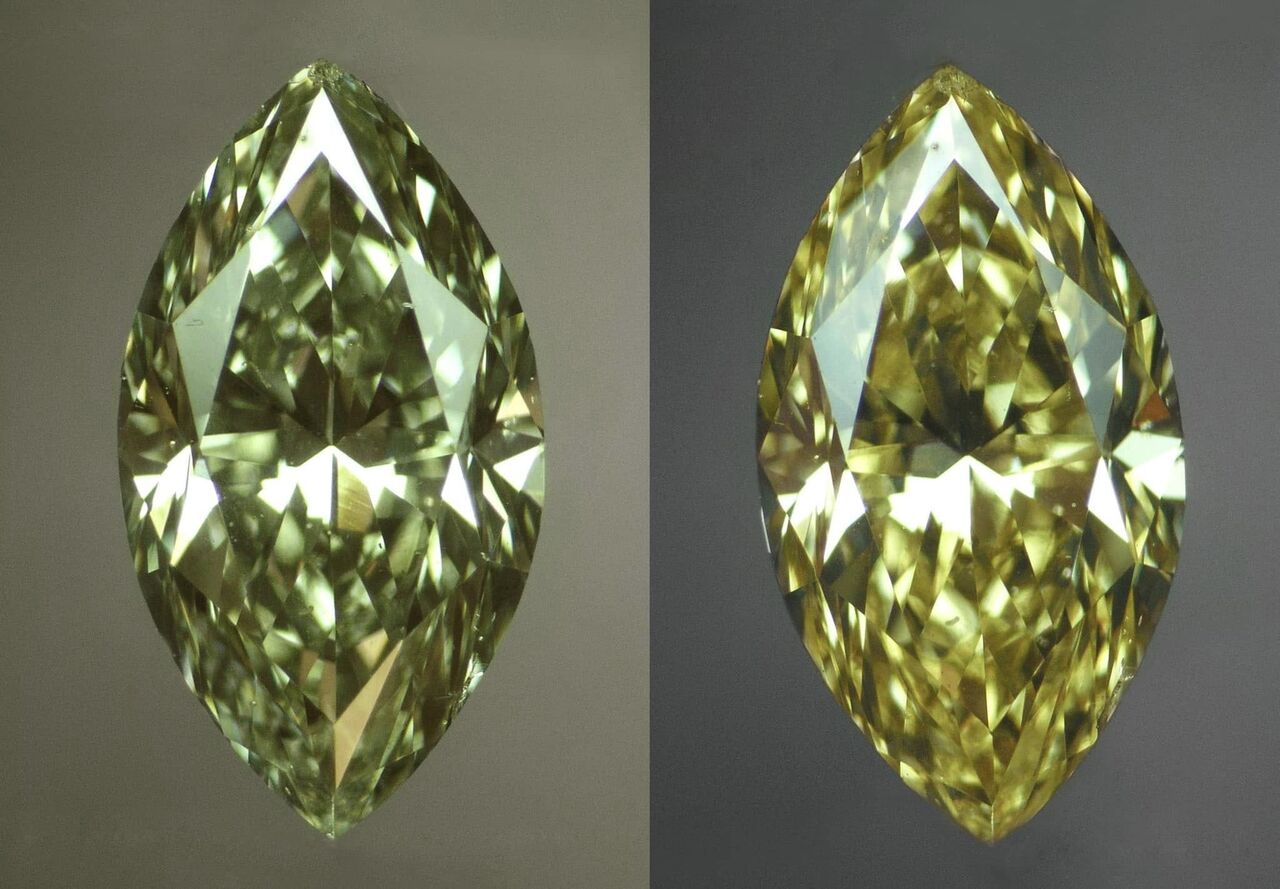
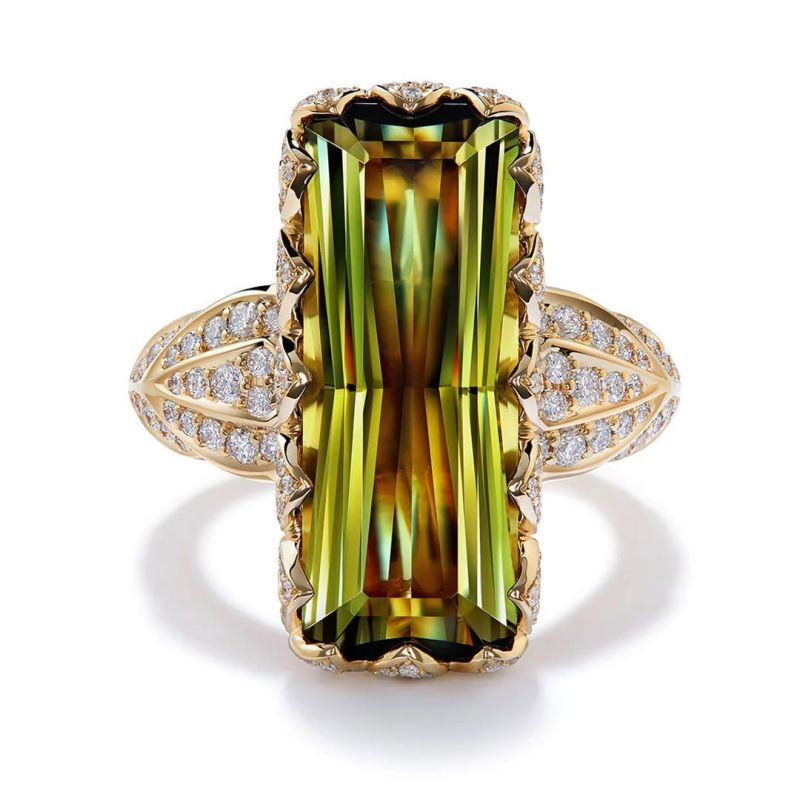
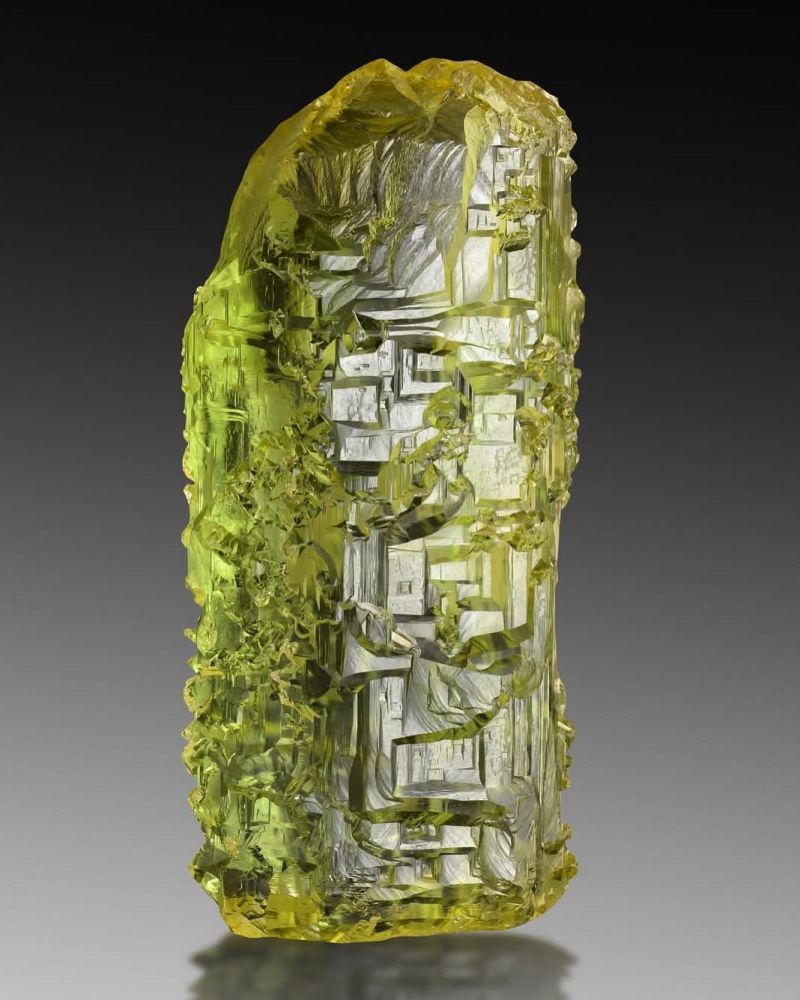
In the photos: a 1988 pin by Van Cleef & Arpels featuring the three colour varieties of P. elatius (momo, magai and boké); a 1970s Bvlgari snake-bracelet in gold, pink coral and ruby with a watch with movement by Jaeger-LeCoultre © 1stDibs
Guest articles by Rui Galopim de Carvalho:
https://gem-spectrum.com/category/rui-galopim-de-carvalho

About the author:
Rui Galopim de Carvalho is a renowned independent Gem Education Consultant, author, luxury industry training expert and popular international lecturer on gemmology and on the history of gem materials. During his 30 year experience as a gemmologist, Rui has studied important collections in both public and private museums, notably the Portuguese Crown Jewels.
Founder of the popular Home Gemmology webinar series launched during the COVID-19 lockdown, Rui has a long history as a gemmology communicator, notably on social media where he is a popular figure.
Rui Galopim de Carvalho can be reached through his website: