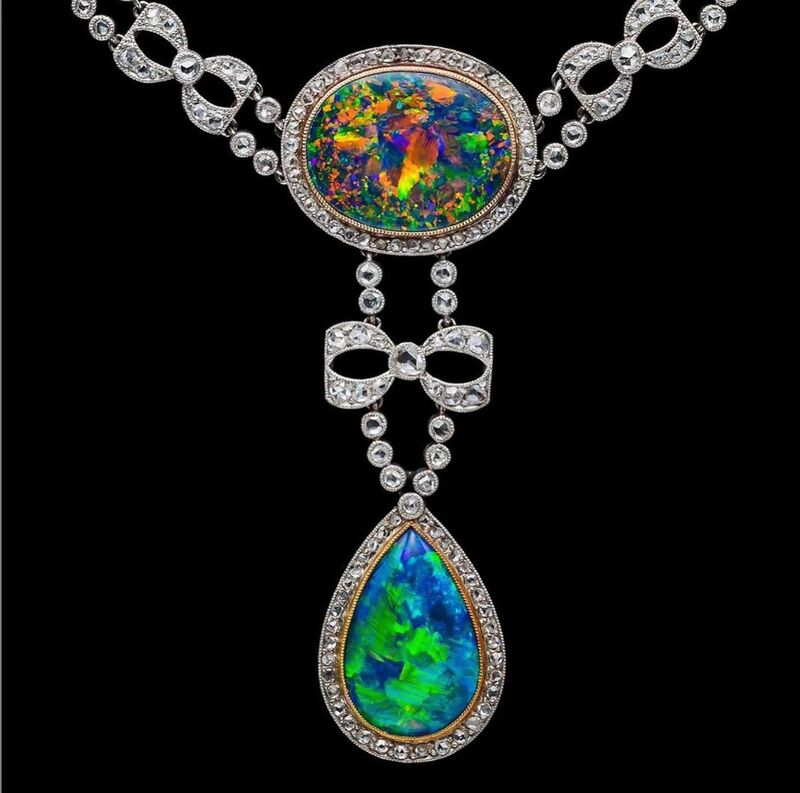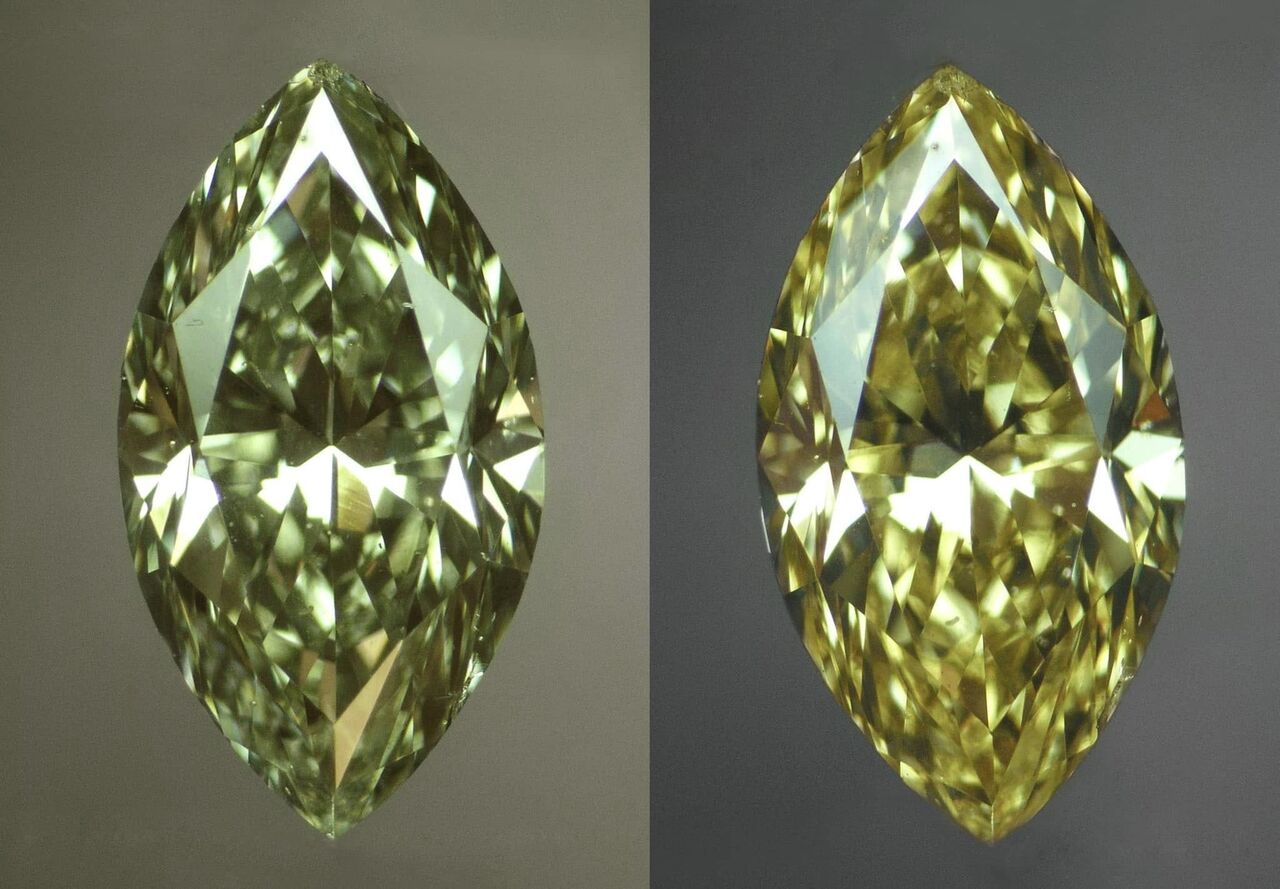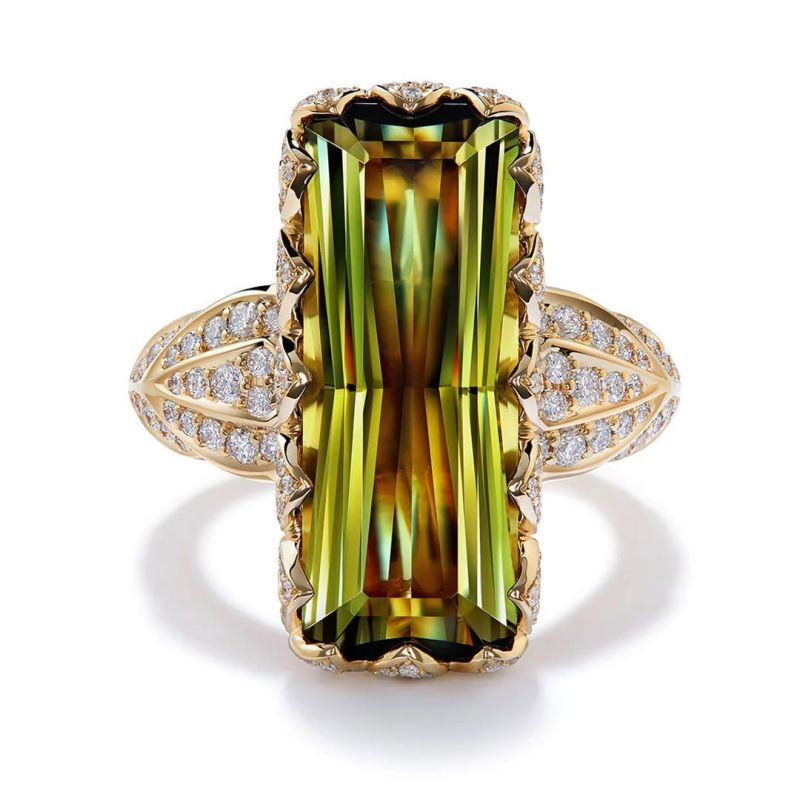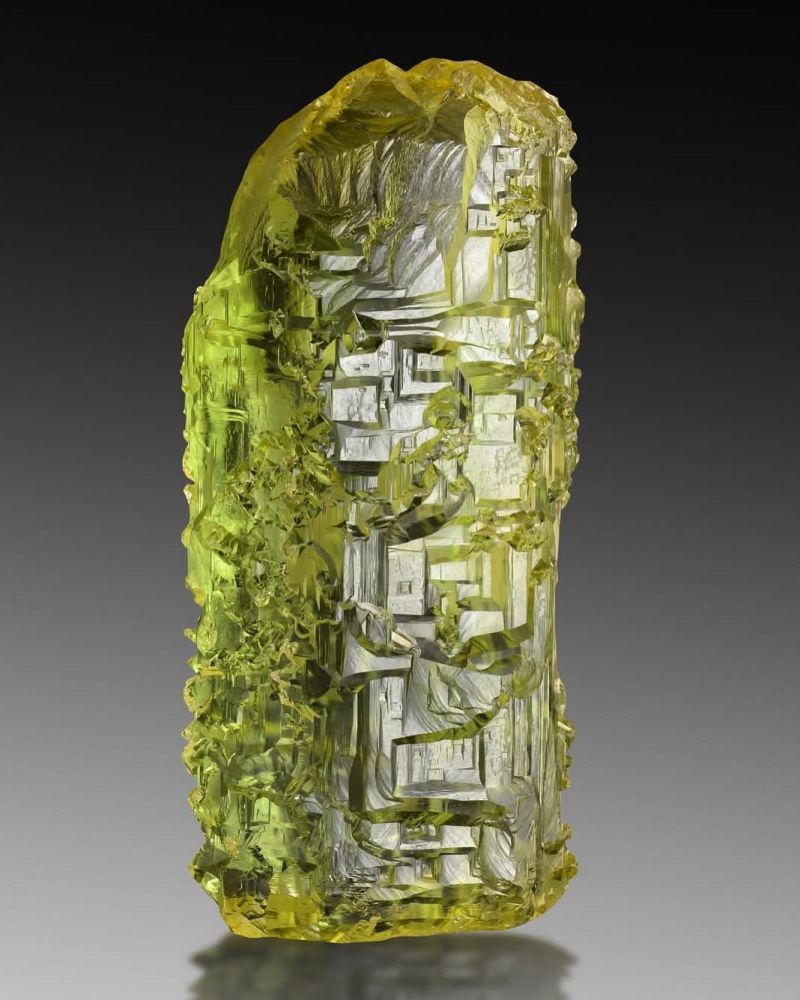

Every once in a while, I revisit this magnificent masterpiece and memory of having had the privilege handle it.
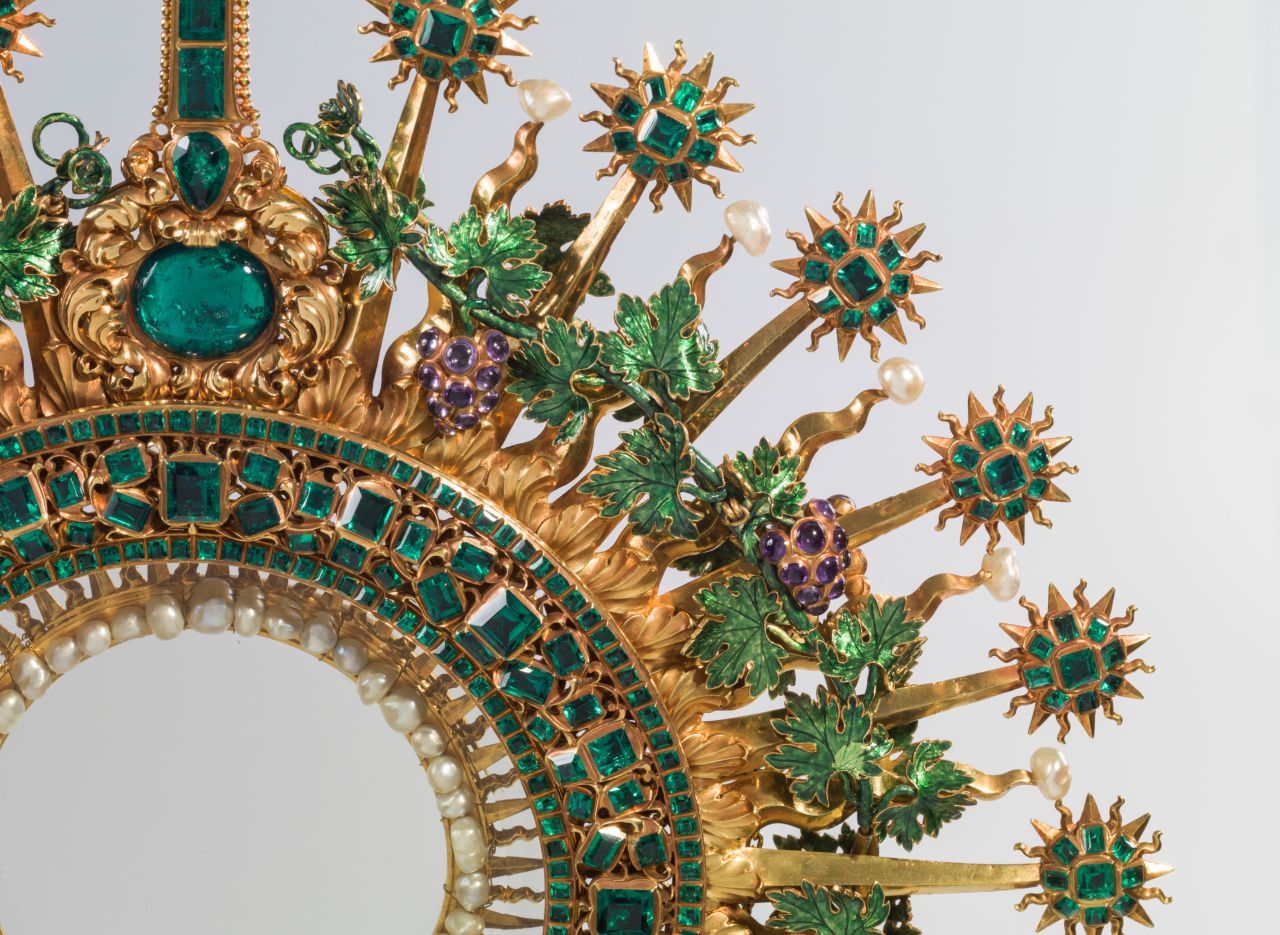
La Lechuga is probably the most relevant emerald-set baroque monstrance in existence, and definitely one of the most important ever reported worldwide from a gemmological and historic-artistic point of view.
The monstrance of the church of San Ignacio de Bogotá was dubbed “La Lechuga” (Spanish for “lettuce” for the immense green that is given by the many fine emeralds).

In 1700, the Spanish goldsmith José Galaz went to the colonial territory of Nueva Granada in the Americas with a commission to create a unique monstrance for the aforementioned Jesuit church and he finished the job seven years later (seven years of work is itself relevant).
The ca. 80-cm-tall monstrance is made of solid gold, enamel and is set with numerous fine gemstones and pearls, where the local Colombian emeralds stand out for their quantity (nearly 1,490), sizes and quality in both colour and clarity.

European art historians might find unusual the use of pearls in the decoration of a round container to hold the Blessed Sacrament, but in South America, natural saltwater pearls, possibly from the local Pinctada mazatlanica and/or Pinctada imbricata pearl molluscs, have been used in this liturgical context.
La Lachuga was eventually purchased by the Banco de la República – Colombia in 1985 and is now part of its Museo de Arte Miguel Urrutia de Bogotá that I strongly recommend every gem and jewellery lover visiting Colombia to visit and be amazed with this superb example of early-18th-century Baroque art lavishly set with the finest emeralds.
Photos © André Afonso ; Museo de Arte Miguel Urrutia de Bogotá / Banco de la República – Colombia
Guest articles by Rui Galopim de Carvalho:
https://gem-spectrum.com/category/rui-galopim-de-carvalho

About the author:
Rui Galopim de Carvalho is a renowned independent Gem Education Consultant, author, luxury industry training expert and popular international lecturer on gemmology and on the history of gem materials. During his 30 year experience as a gemmologist, Rui has studied important collections in both public and private museums, notably the Portuguese Crown Jewels.
Founder of the popular Home Gemmology webinar series launched during the COVID-19 lockdown, Rui has a long history as a gemmology communicator, notably on social media where he is a popular figure.
Rui Galopim de Carvalho can be reached through his website: