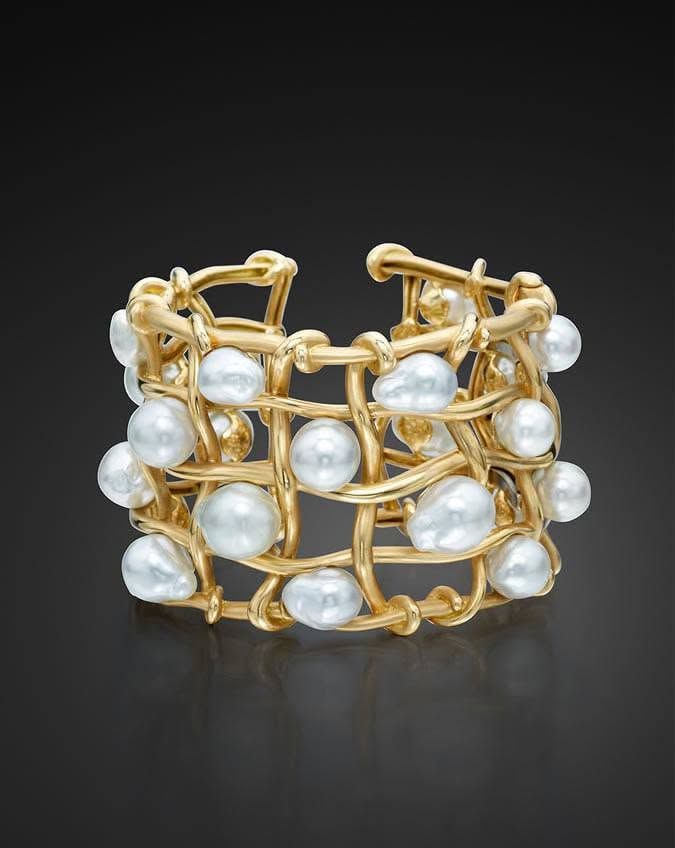

Trade terms can have fascinating origins, and in the pearl world there are plenty of examples, namely in Japanese. Keshi (ケシ), meaning poppy seed in Japanese, is one of them and was originally used in Japan for very small-sized natural pearls, namely the very rare Akoya natural pearls that were locally collected until the early 20th century from the Pinctada fucata pearl oyster, locally known as Akoya-gai.

Today, however, the original meaning of the word “keshi” has become corrupted and it is now a trade name for the nacreous non-bead saltwater cultured pearls that form, by accident or intentionally, inside pearl-producing molluscs as a by-product of the classic seeding or grafting process.
The first reported cultured keshi pearls in the early 20th century were associated to the then emerging Akoya cultured pearl farming in Japan. Today, however, “keshis” are also reported in different saltwater nacreous pearl-producing molluscs (e.g., South Sea pearl oyster, Tahitian pearl oyster, Fijian pearl oyster) and in different geographies.

Distinguishing non-bead cultured from natural pearls is very complex, requiring lab experience and modern tools, like real-time X-ray microradiography (RTX) and X-ray computerised tomography (µ-CT), with the results requiring interpretation from an experienced pearl scientist, and being possibly and occasionally inconclusive.
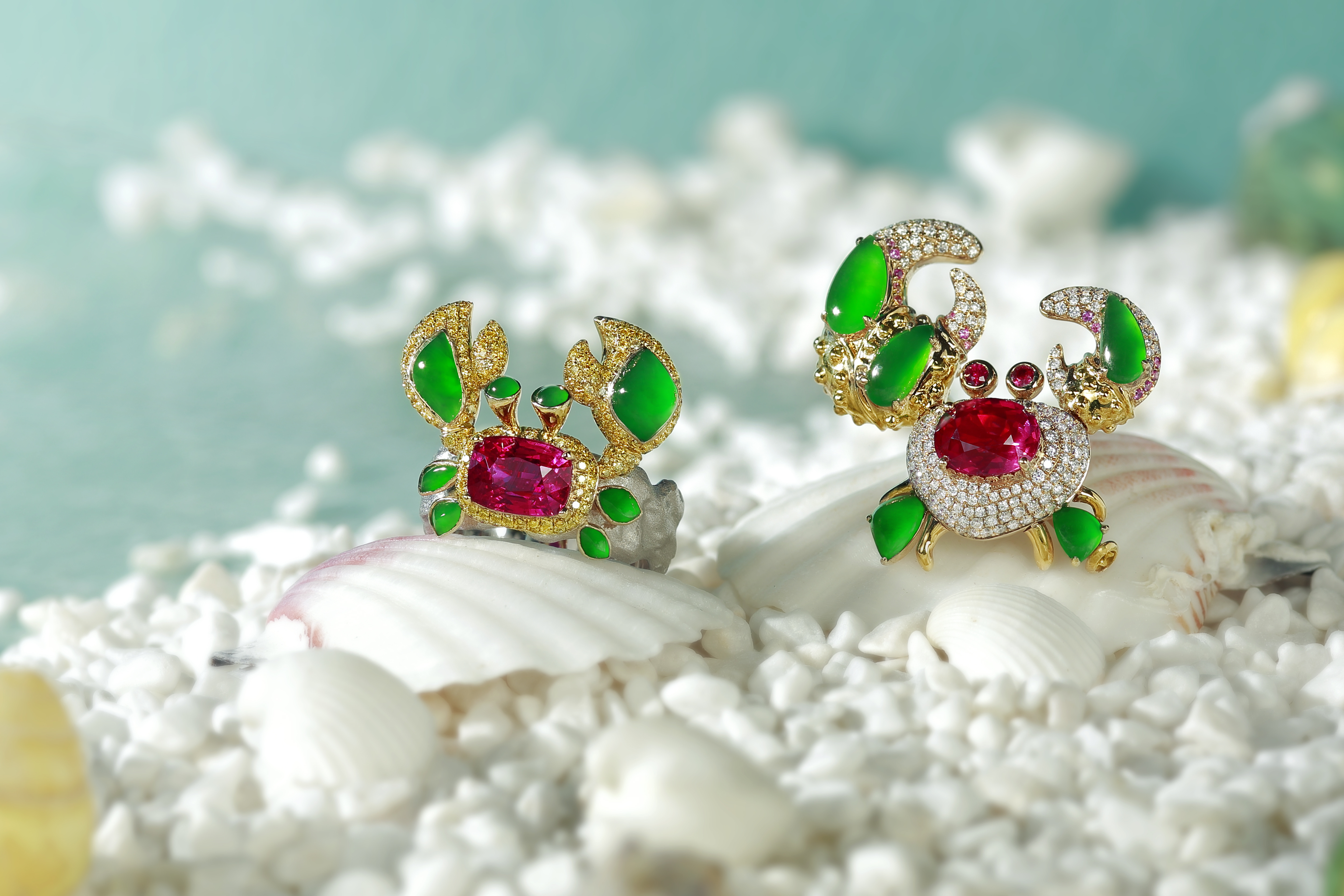
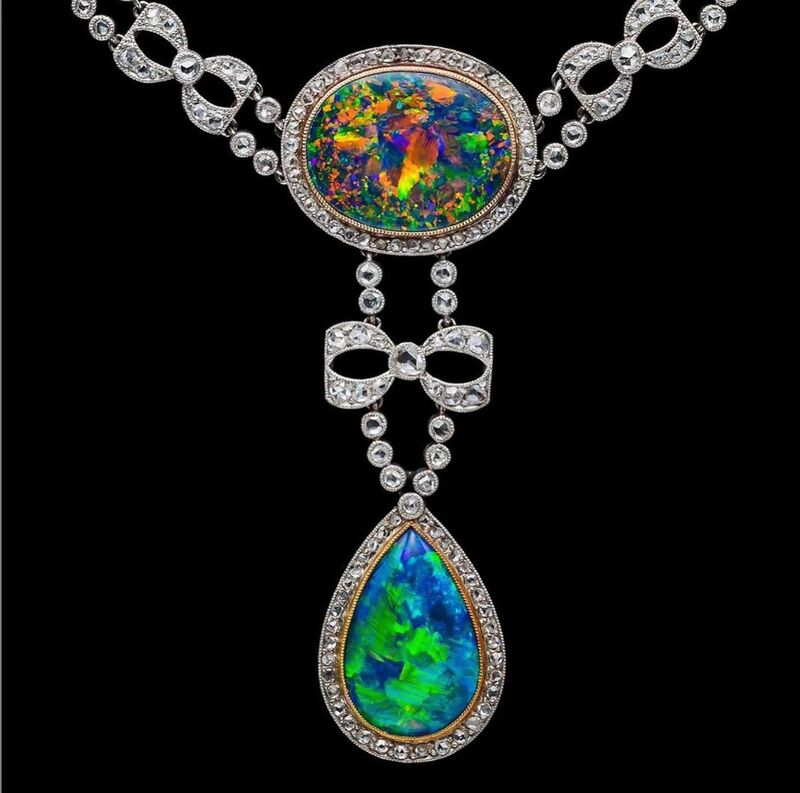
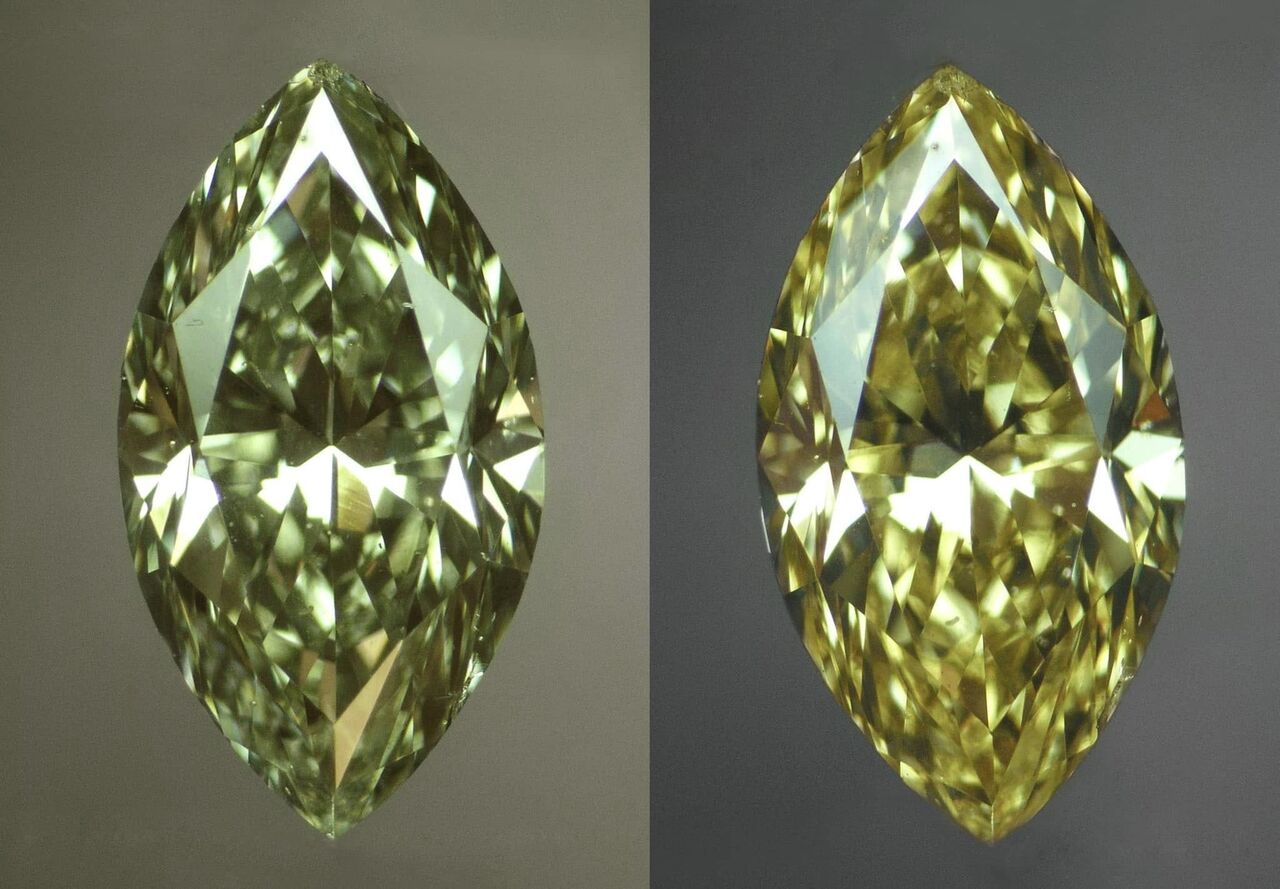
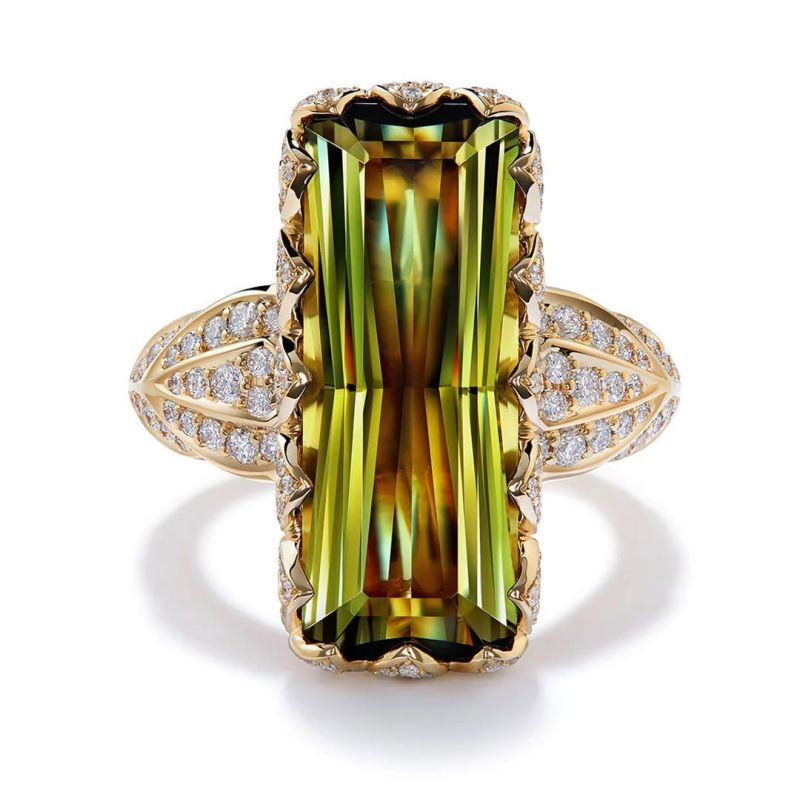
In the photos, non-bead cultured pearls (keshi) in high-jewellery © Assael
Guest articles by Rui Galopim de Carvalho:
https://gem-spectrum.com/category/rui-galopim-de-carvalho

About the author:
Rui Galopim de Carvalho is a renowned independent Gem Education Consultant, author, luxury industry training expert and popular international lecturer on gemmology and on the history of gem materials. During his 30 year experience as a gemmologist, Rui has studied important collections in both public and private museums, notably the Portuguese Crown Jewels.
Founder of the popular Home Gemmology webinar series launched during the COVID-19 lockdown, Rui has a long history as a gemmology communicator, notably on social media where he is a popular figure.
Rui Galopim de Carvalho can be reached through his website: